The Oceania Chapter of the System Dynamics Society Webinar Series.
What does it mean? Beyond connecting the dots.
Presenter: Gene Bellinger, Storyteller & Recovering Systems Thinker
Abstract:In this webinar, Gene will share some of his most memorable ‘aha’-moments that occurred during his almost five decades of searching for understanding on the other side of complexity. Gene is highly respected member of the systems thinking community, authored hundreds of models and articles, and over 1000 videos on Systems Thinking. He developed Systems-Thinking and SystemsWiki websites and has been a major contributor to the development of Insight Maker and Kumu. In 2013, he co-authored “Beyond Connecting the Dots: Modeling for Meaningful Results” with Scott Fortmann-Roe, the developer of Insight Maker. Presently, Gene’s effort is expressed in “SystemsWiki’s Musing”, understanding relationships and their implications.
The Oceania Chapter of the System Dynamics Society Webinar Series.
[Messy pasting in as can’t find a direct online link – subscribe here]
Transformation insights, news and eventsThe Transformations Community is a global community of action researchers and reflective practitioners working toward transformations to equitable and regenerative futures.
We hope this finds you well and eager for more Transformations!March 2024 NewsletterWe are excited to share these updates with you:🌟 Engagement Opportunities within the TC📣 News and Opportunities from the Field💥 Community Spotlight: Mariana Zafeirakopoulos 🎨 Artist Spotlight: Diego GalafassiThree Ways to Get Involved in 2024: Transformations in Action Dialogue Series:Join the first interactive session of the Transformations in Action Dialogue Series, a collaboration between the Transformations Community & University for the Planet, where engagement and dialogue take center stage. Andrea Ramirez Agudelo will share her insights on capacity development in Latin America for urban sustainability and Thieu Besselink will discuss his role as an urbanist and educator in regeneration. Alongside Hosts Pavel Luksha and Bruce Goldstein, participants will actively explore strategies, successes, and the importance of collaborative innovation. Register for this eventto be part of the conversation. Explore the Dialogue SeriesThe Artificial Intelligence Project:
We’re thrilled to introduce the Transformations Community’s AI project, – a collaborative exploration into the potential and challenges of AI in driving sustainability transformations. We invite you to take part in the co-design of AI projects as well as be part of a learning group dedicated to understanding AI’s role in sustainability transformations.
Working in small groups, you will tackle critical themes such as the societal impacts of AI, the development of inclusive, co-designed AI solutions, and the what are the latest useful AI tools and practices.Join the Conversation: If you’re interested in Co-Designing Transformations Community’s AI Project, we’d love to hear from you! Fill out the form to register your interest in joining the Co-Design Group, to be kept informed about the project, or to suggest participants. We will be sharing the initial results of our AI Project at theSustainability Innovations Congress in June 2024. Join our AI ProjectTransformations Conference 2025:
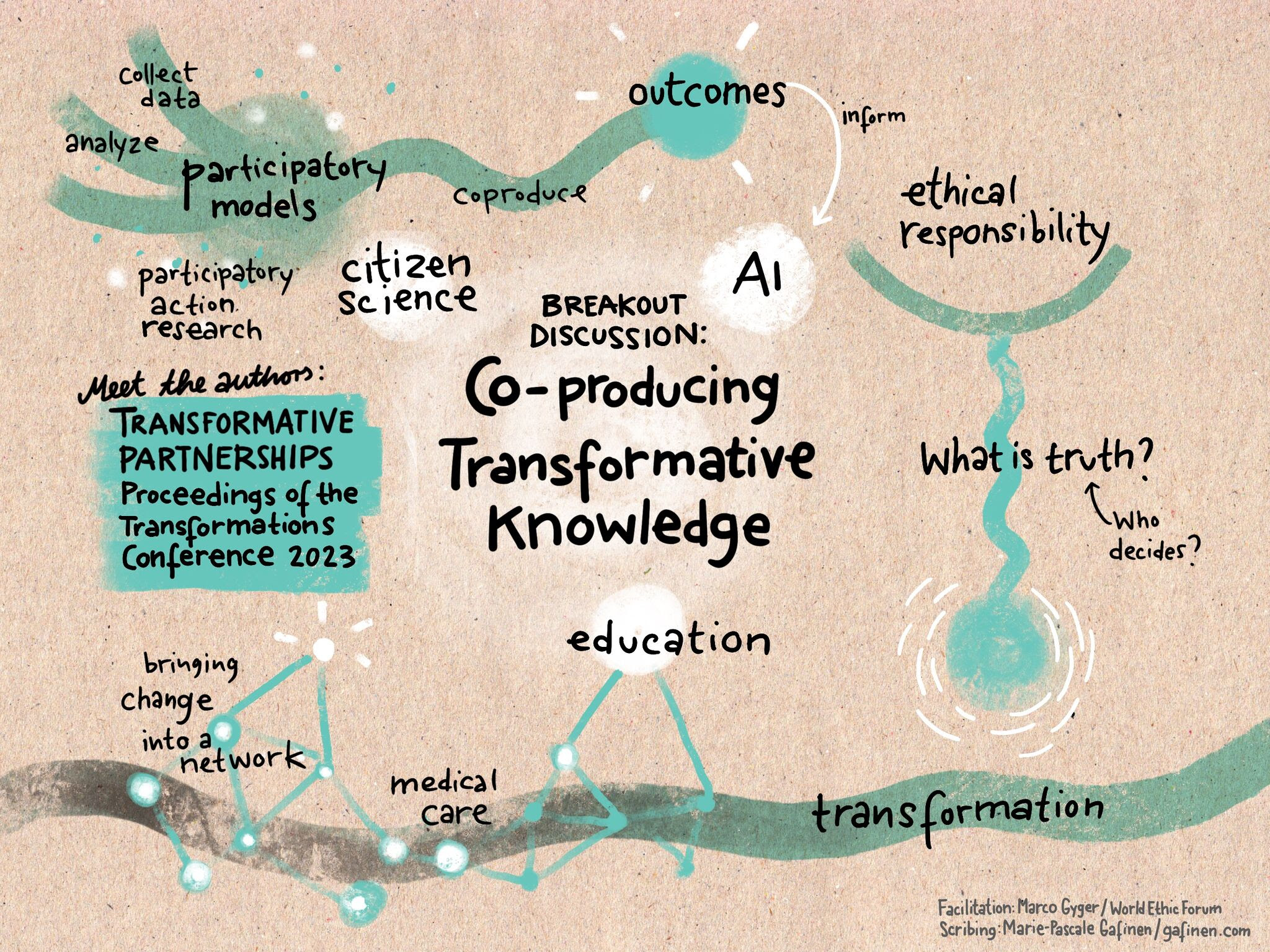
Take the lead at TC25 by hosting or contributing your expertise to our creative and research teams. You have the opportunity to host the conference and organize a regional/ thematic hub event or pre-conference events (webinar, panel, workshops, etc.). Alternatively, you can explore the role of the Department of Magic (DOM) team, by crafting the conference’s creative direction, or contribute to the Transformations Research Advisory Committee (TRAC) to evaluate abstracts & ensure the quality of research.Co-create TC25SIJ Event & Special Issues UpdateLast month, we held a “Meet the Authors” Symposium to launch our Transformations ‘23 conference proceedings. Published in our third annual special issue of the Social Innovations Journal, this issue includes 28 articles from our conference, including both session summaries and original works. Thanks to all participants for sharing their insights at this launch event.Watch the session recording.Later this year we will publish a special issue of Current Research in Environmental Sustainability with research papers from TC23, and will continue to announce new offerings in our ongoing issue of Current Opinion in Environmental Sustainability, titled “State of Knowledge in Social Transformations to Sustainability”. Read more. News From the FieldOpportunitiesSTRN/NEST Method School Invites Applications NEST/ STRN Method School hosted by DIT Platform and DRIFT, under the theme “Transformative Research Unlocked”, invites applications for its program from July 8th-12th in Rotterdam. This year’s school encourages researchers to define their roles in just sustainability transitions, featuring speakers from various universities. Applicants must submit a CV and motivation letter by April 15th. Apply here. Research Fellow – Food System Transformation
The FixOurFood Commission is looking for a candidate with expertise in food systems to help transform Yorkshire’s food system. This role at the University of York, demands skills in research, stakeholder engagement, and funding acquisition. The successful candidate will join a high-impact project for up to 17 months. For more details, contact Ioan Fazey at ioan.fazey@york.ac.uk. Read more. 21-Day Racial Equity Habit Building Challenge Food Solutions New England will host it’s 10th annual 21-Day Racial Equity Habit-Building Challenge from April 1, 2024 to April 21, 2024. It encourages confronting racism by committing to learn and act for 21 days in April, aiming to boost awareness, shift behaviors, reveal and address structural and institutional racism, and inspire actions towards dismantling these systems for equity and justice for all. Read more & register. Call for Contributions: Relating Systems Thinking & Design The Oslo School of Architecture and Design is hosting the 13th Relating Systems Thinking and Design Symposium (RSD13), with a call for contributions now open on EasyChair. Interested parties should register their intent by March 15 and finalize submissions by April 30. RSD13 spans 8 days, starting with a 3-day online program of paper presentations, followed by a 3-day in-person symposium in Oslo. Read more. EventsResource-Hungry Societies & a Future in Flux Online | MARCH 15th | 2 pm-4 pm CET
Pathways Forum explores the impact of resource-intensive economies on sustainability. The webinar will delve into social metabolism, a framework analyzing society-environment-economy interrelations, to address unsustainable systems and envision sustainable futures. Speakers include Helmut Haberl, Eric Pineault, and Anke Schaffartzik. Read more & Register. Transformation Literacy Conference ’24 by Collective Leadership Institute Potsdam Germany & Online | April 22-26
“Localizing SDG Transformations,” will emphasize the integration of local, national & regional efforts towards sustainability. It highlights the importance of ‘glocal’ strategies for achieving global goals through a variety of networks, communities of practice, and global projects. The conference explores how these diverse efforts contribute to localizing the SDGs through sessions on collaborative initiatives, exchange networks, and transformation networks. Read more & register here.Register for the Sustainability Research & Innovation Congress Finland & Online | JUNE 10th-14th
Registration is open for the 2024 SRI Congress (SRI/SSD2024) in Helsinki and Espoo, Finland, from June 10-14, and is also accessible online. This event offers sessions, workshops, and networking to enhance sustainability efforts, with early bird rates until March 15. Register here.Media & PublicationsMombera Rising Anthology: A Journey through Speculative Eco-FictionDive into Mombera Rising, a free digital anthology by Malawian writers Ekari Mbvundula Chirombo and Muthi Nhlema. This collection brings to life speculative stories set in a future Malawi, where the people redefine progress with their indigenous knowledge. Supported by the Swedish Research Council and the Future Ecosystems For Africa program, this work bridges nature, culture, and technology. Join the Zoom session on March 8th to engage with these visionary tales.Resilience in Action: A Practitioner’s Guide to Sustainable TransformationsFrom the Resilience Alliance, the push to translate resilience concepts into actionable strategies is key for sustainable transformations. Their “Assessing Resilience in Social-Ecological Systems: Workbook for Practitioners” guides on system modeling, dynamics, cross-scale interactions, governance mapping, and promoting adaptation and transformation. Access the workbook here.Can AI Help Bring About a Sustainable Future? During Geneva Peace Week, Globethics and the Club of Rome hosted an AI ethics policy briefing. Experts from diverse sectors discussed the future of AI, highlighting the importance of a varied perspective platform. A prior roundtable explored AI ethics policy advancements and a potential multi-stakeholder compact. Read more & watch the video. Negotiating System Change through Collective Leadership Illuminate Systems launches the “Equitable Horizons: Negotiating System Change Through Collective Leadership” blog series, aimed at fostering discussions on systems change, collective leadership, and equity. The series, starting in March, will feature bi-weekly articles paired with engagement activities to connect readers with the authors. A webinar on March 13th will delve into the topics further. Learn more. Community SpotlightMariana Zafeirakopoulos teaches Social Design at the University of Sydney, bridging disciplines to tackle global issues. Her work connects national and food security, human migration, and environmental challenges, employing design thinking to foster innovative solutions.
With a background in Social Sciences, Public Policy, and Law, Mariana’s research advocates for interdisciplinary approaches to addressing systemic problems. She holds degrees from King’s College London and UNSW, and is pursuing a PhD in Design at UTS. Her insights on abductive reasoning in complex contexts can be found here. Mariana’s current research enhances national security through design practices, focusing on humanizing security issues. She contributed to a 2023 White Paper on AI in Cybersecurity. Moved by conflicts in Sudan, Ukraine/Russia, and Palestine/Israel? Join Mariana’s project on redesigning war-affected cities & communities, preserving culture and history. Seeking collaborators across disciplines—environmental resilience, mental health, infrastructure change. Contact her at mariana.zafeirakopoulos@sydney.edu.auRead more about Mariana and other members of our community here.Artists SpotlightDiego Galafassi Diego Galafassi, a Brazilian transdisciplinary artist, is at the forefront of blending art with social change. His work, recognized globally, uses art to promote community resilience and sustainability. Originating from his experiences with Forum Theatre in Brazil, his projects span across themes like climate resilience in Europe and social-ecological issues in Africa, Bangladesh, and Brazil, showcasing his commitment to addressing environmental and social challenges through creative expression.Collaborating with organizations like Julie’s Bicycle and DocSociety, Diego leads initiatives like the Creative Climate Leadership program and the Climate Story Lab Nordic, aimed at empowering artists and filmmakers in the climate movement. As part of the Transformations Community, he seeks to foster new partnerships and broaden the impact of art on societal transformation. Read more about Diego and his work. Breathe is a mixed-reality installation by Diego Galafassi, premiered at Sundance Film Festival 2020, using Magic Leap technology to immerse participants in the narrative of air through movement and breath. Developed at Phi Centre & Johns Hopkins it aims to reconnect us with the living world, highlighting the need to reimagine our relationship with the environment. Read more about this project here. Your News?Do you have news to share with the Transformations Community, including new research, stories, events, jobs, invitations to collaborations, or transformative art?💡 Suggestions for newsletter content? Submit your news here 👋 New to this mailing list? Subscribe here The Transformations Community is also active on LinkedIn Follow community news on our Twitter account
Stuart A. Umpleby, Tatiana A. Medvedeva & Vladimir Lepskiy (2019): RecentDevelopments in Cybernetics, from Cognition to Social Systems, Cybernetics and Systems, DOI:10.1080/01969722.2019.1574326
[I know this isn’t precisely systems thinking – though ethno-methodography has a rich and related history – but it is very interesting and relevant. See below for two interesting facts!]
How much do you know about the end-to-end operations of your organization? If you looked closely, would you see a deliberate strategy or the results of years and years of patches, workarounds, political truces, and shadow systems? Now imagine you had carte blanche to clean it up — redesign operations to be more efficient, more effective, more focused on getting things done. Would this experience change how you see your current efforts and responsibilities? According to research, it might: A study of six project teams tasked with redesigning their organization’s operations found that many ended up disillusioned with the patchwork systems they saw. Further, almost half of the participants left their established careers as managers, feeling as though they couldn’t enact meaningful change in their roles.
Abstract: This paper examines how employees become spontaneously empowered and alienated by detailed, consistent knowledge of the actual operations of their organization, drawing on an inductive analysis of the experiences of employees working on organizational change teams. As employees build and scrutinize process maps of their organization, they develop a new comprehension of the structure and operation of their organization. What they had perceived as purposively designed, relatively stable, and largely external is revealed to be continuously produced through social interaction.
I trace how this altered comprehension of the organization’s functioning and logic changes employees’ orientation to and place within the organization. Their central roles are revealed as less efficacious than imagined and, in fact, as reproducing the organization’s inefficiencies. Alienated from their central operational roles, they voluntarily move to peripheral change roles from which they feel empowered to pursue organization-wide change. The paper offers two contributions. First, it identifies a new means through which central actors may become disembedded, that is, detailed comprehensive knowledge of the logic and operations of the surrounding social system. Second, the paper problematizes established insights about the relationship between social position and challenges to the status quo. Rather than a peripheral social location creating a desire to challenge the status quo, a desire to challenge the status quo may encourage central actors to choose a peripheral social location.
as pointed out by @meaningness (David Chapman), this paper took a really long time to be published!
2. in googling the author, she has the highest ratings I’ve ever seen on that student review thing for professors (as well as universally positive comments on Twitter)]
What Can Systems Thinkers Learn From an Evaluation Mindset? | Cameron D. Norman + Tara Campbell | Systems Thinking Ontario 2024-02-12 March 4, 2024 daviding
This post features a draft of a piece of my meta-rationality book. It is the first half of the second chapter of Part Four of the book. (Got that?)
The first chapter was an introduction to Part Four; you can read it here.
This second chapter is an overview of meta-rational practice. It has six sections:
When to get meta-rational
Meta-rational norms
Meta-rational processes, operations, and methods
Opportunities for meta-rational improvement
Meta-rational maxims
Fluid competence
This post includes the first three sections. I’ll publish the second three as a separate post, so they’re each about the right length for a newsletter issue.
(Right? Or is this too long? Or would you rather have had the whole chapter at once?)
My thanks to the nine readers who signed on as paying subscribers after reading my last post! I really appreciate it. This one is part-paid: there’s a paywall about halfway through.
Meta-rational practices: Overview 1Norms, processes, operations, methodsDAVID CHAPMANMAR 9, 2024∙ PAID3ShareThis post features a draft of a piece of my meta-rationality book. It is the first half of the second chapter of Part Four of the book. (Got that?)The first chapter was an introduction to Part Four; you can read it here.This second chapter is an overview of meta-rational practice. It has six sections:When to get meta-rationalMeta-rational normsMeta-rational processes, operations, and methodsOpportunities for meta-rational improvementMeta-rational maximsFluid competenceThis post includes the first three sections. I’ll publish the second three as a separate post, so they’re each about the right length for a newsletter issue.(Right? Or is this too long? Or would you rather have had the whole chapter at once?)My thanks to the nine readers who signed on as paying subscribers after reading my last post! I really appreciate it. This one is part-paid: there’s a paywall about halfway through.
🌟 JOIN US in honoring the invaluable contributions of women in System Dynamics!
Their dedication and leadership have reshaped our discipline, paving the way for greater gender diversity. Together, let’s celebrate their resilience and visionary leadership. 👩🏻🦱👩🏼💼🧕🏻👩🏻🦰👩🏾
Donella Meadows is one of the most influential environmental thinkers of the twentieth century. Dana’s unique blend of rigor, insight, and humility made her a revered figure in the System Dynamics and systems thinking community and beyond. Her writings and speeches challenged us to think deeply about our role in shaping the world, while her humor and warmth inspired us to take action with compassion and conviction. ✨
We compiled a list of publications by women in the field. Join us in recognizing the immense contributions of women to System Dynamics and systems thinking.
[In his posts, David says March 12 (Europe), March 14 (Americas), March 15 (Australia) – I suspect the US may have booked out.]
From Unfreezing-Refreezing, to Systems Changes Learning by David Ing.
The field theory (circa 1947) from Kurt Lewin has largely been portrayed as “unfreeze-move-refreeze”. In the history of systems thinking, Lewin was foundational for the Socio-Technical Systems (STS) and Socio-Ecological (SES) perspectives of Fred E. Emery and Eric L. Trist. With rising interests in Systems Changes, might we theorize (and philosophize) differently?
In 2013, an aritcle on “Rethinking Systems Thinking” was published. In 2019, the Systems Changes Learning Circle was founded in Toronto on an espoused 10-year journey to collectively explore progressing the rich legacy of the systems movement. In 2022-2023, two pilot consulting engagements were conducted, with materials openly accessible under Creative Commons licensing. From 2023, three (academic) peer-reviewed journal articles have been published, and a fourth is in final review. Passing the halfway point in the journey, the Circle now has subgroups on explaining theory and refining practices aligned with a new approach.
In this Dialogic Drinks session, we will discuss:
What if we resequence thinking on “systems” as “genetic-social” before “clockworks”?
What if we resequence thinking on “systems changes” as “ecological” before “behavioral”?
What if we resequence thinking on “systems changes learning” as “propensity” before “causality”?
This DD conversation has been planned with a subsequent deeper philosophical session on “Yinyang and Daojia into Systems Thinking”.
David Ing is a Research Fellow with the Creative Systemic Research Platform Institute (Switzerland, Spain, Finland). He served as president of the International Society for the Systems Sciences (2011-2012), and is currently Representative of the Trustees to the Board of Directors. For 28 years at IBM, he had assignments in management consulting, executive education, market development and headquarters planning. The father of four sons, all in successful careers, he lives in Toronto Canada with his supportive spouse. He blogs at https://coevolving.com.
Student thesis: Doctoral Thesis › Doctor of Philosophy
Abstract
This thesis examines the use of cybernetics (the science of systems) in music, through the tracing of an obscured history. The author postulates that cybernetic music may be thought of as genera of music in its own right, whose practitioners share a common ontology and set of working practices that distinctly differ from traditional approaches to composing electronic music. Ultimately, this critical examination of cybernetics in music provides the framework for a series of original compositions and the foundation of the further study of cybernetic music.
Date of Award
2016
Original language
English
Awarding Institution
Coventry University
Supervisor
Tom Williams (Supervisor)
Cybernetics in MusicDaren PicklesFAH School of Media and Performing ArtsStudent thesis: Doctoral Thesis › Doctor of PhilosophyAbstractThis thesis examines the use of cybernetics (the science of systems) in music, through the tracing of an obscured history. The author postulates that cybernetic music may be thought of as genera of music in its own right, whose practitioners share a common ontology and set of working practices that distinctly differ from traditional approaches to composing electronic music. Ultimately, this critical examination of cybernetics in music provides the framework for a series of original compositions and the foundation of the further study of cybernetic music.Date of Award2016Original languageEnglishAwarding InstitutionCoventry UniversitySupervisorTom Williams (Supervisor)

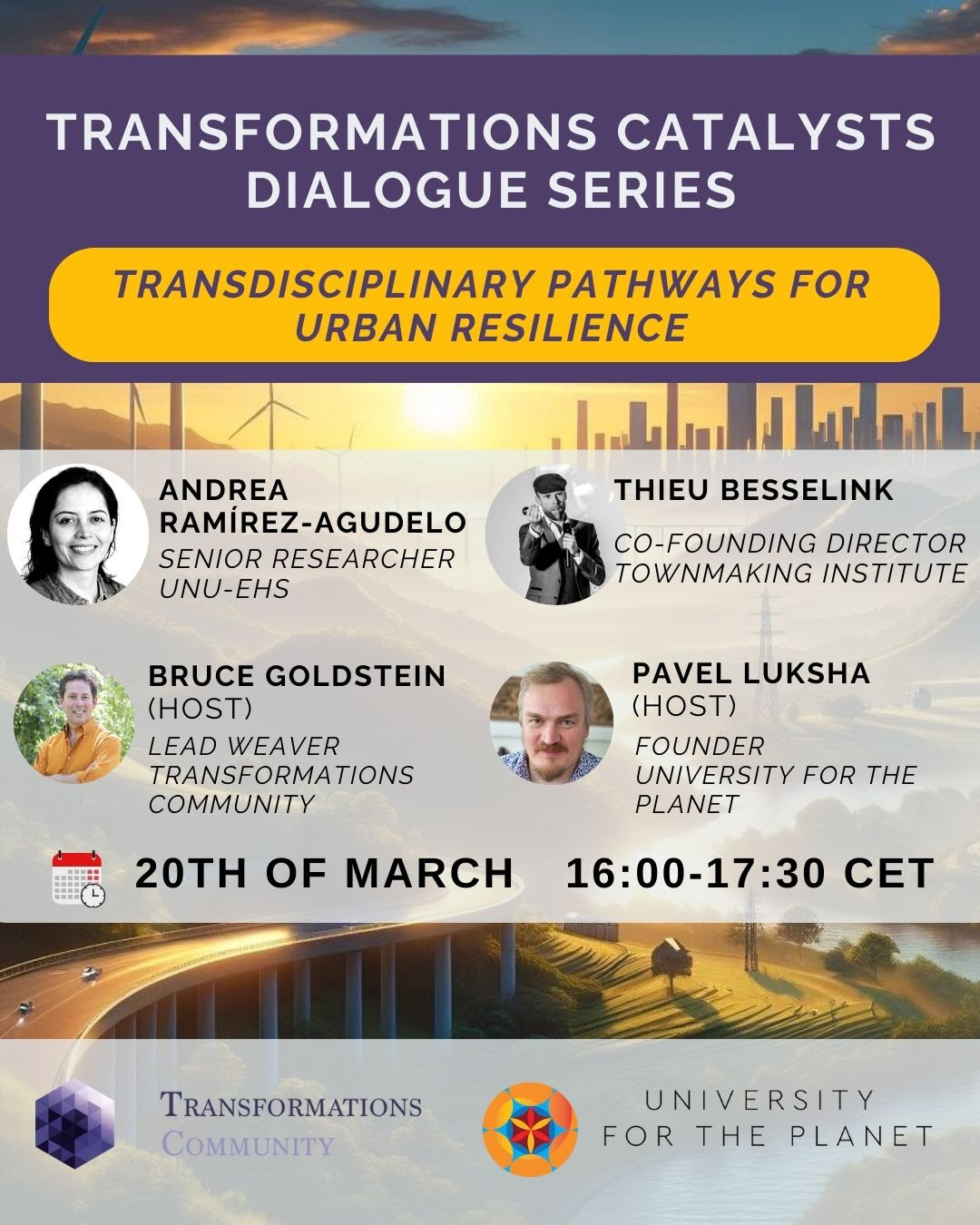 Transformations in Action Dialogue Series:Join the first interactive session of the Transformations in Action Dialogue Series, a collaboration between the Transformations Community & University for the Planet, where engagement and dialogue take center stage. Andrea Ramirez Agudelo will share her insights on capacity development in Latin America for urban sustainability and Thieu Besselink will discuss his role as an urbanist and educator in regeneration. Alongside Hosts Pavel Luksha and Bruce Goldstein, participants will actively explore strategies, successes, and the importance of collaborative innovation. Register for this event to be part of the conversation.
  The Artificial Intelligence Project:
  Last month, we held a “Meet the Authors”
 STRN/NEST Method School Invites Applications NEST/ STRN Method School hosted by DIT Platform and DRIFT, under the theme “Transformative Research Unlocked”, invites applications for its program from July 8th-12th in Rotterdam. This year’s school encourages researchers to define their roles in just sustainability transitions, featuring speakers from various universities. Applicants must submit a CV and motivation letter by April 15th. Apply here.
  Research Fellow – Food System Transformation
  21-Day Racial Equity Habit Building Challenge Food Solutions New England will host it’s 10th annual 21-Day Racial Equity Habit-Building Challenge from April 1, 2024 to April 21, 2024. It encourages confronting racism by committing to learn and act for 21 days in April, aiming to boost awareness, shift behaviors, reveal and address structural and institutional racism, and inspire actions towards dismantling these systems for equity and justice for all. Read more & register.
  Call for Contributions: Relating Systems Thinking & Design The Oslo School of Architecture and Design is hosting the 13th Relating Systems Thinking and Design Symposium (RSD13), with a call for contributions now open on EasyChair. Interested parties should register their intent by March 15 and finalize submissions by April 30. RSD13 spans 8 days, starting with a 3-day online program of paper presentations, followed by a 3-day in-person symposium in Oslo. Read more. Events
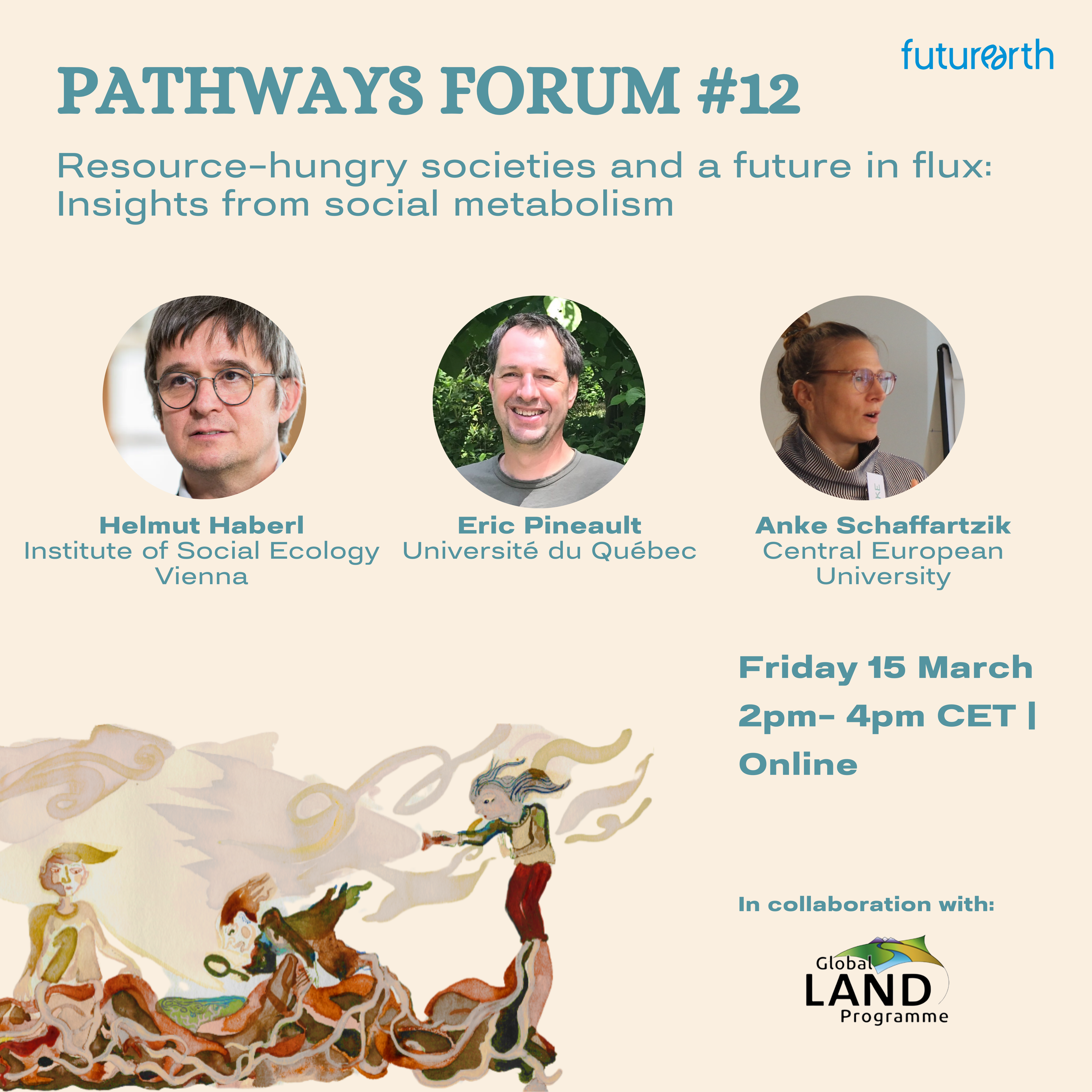 Resource-Hungry Societies & a Future in Flux
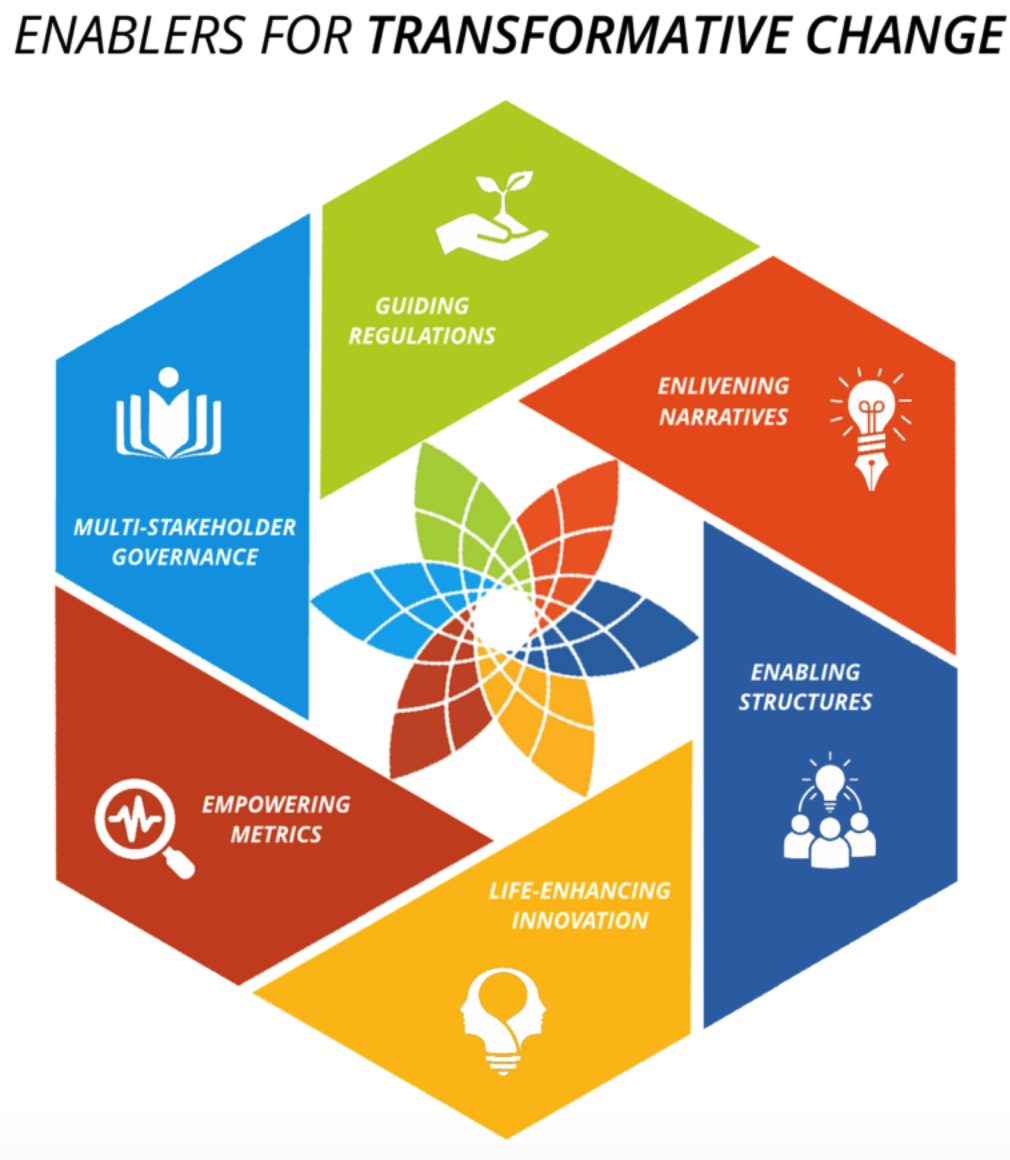 Transformation Literacy Conference ’24 by Collective Leadership Institute
  Register for the Sustainability Research & Innovation Congress
 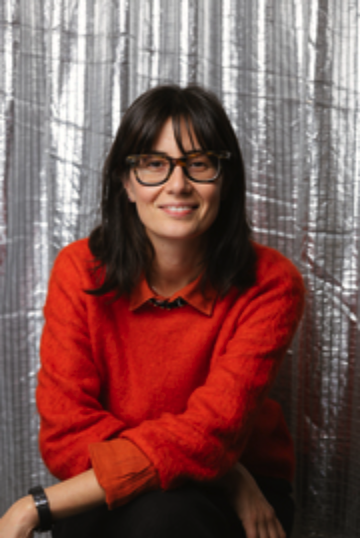 Mariana Zafeirakopoulos teaches Social Design at the University of Sydney, bridging disciplines to tackle global issues. Her work connects national and food security, human migration, and environmental challenges, employing design thinking to foster innovative solutions.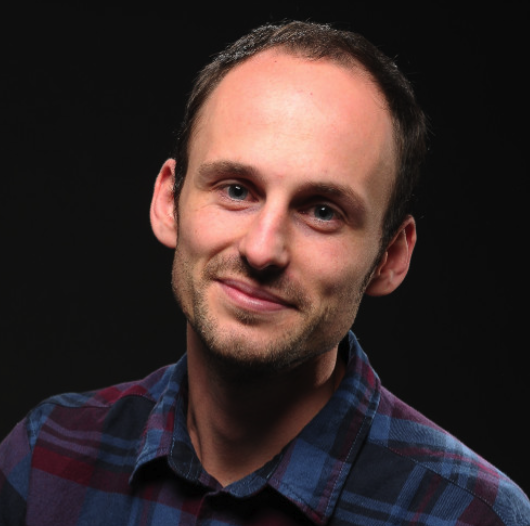
 The Transformations Community is also active on LinkedIn


 Systems Community of Inquiry
You must be logged in to post a comment.