
Source: Gordon Pask’s Adaptive Teaching Machines
Despite initial excitement of learning with a new technology like one of Skinner’s teaching machines, many students found these devices to be quite boring. “The biggest problem with programmed instruction was simply that kids hated it,” writes Bob Johnstone in Never Mind the Laptops. “In fact, it drove them nuts – especially the brighter ones. The rigidity of the seemingly endless, tiny-steps, one-word-answer format bored clever students to tears. They soon found ingenious ways of circumventing the programs and even, in some cases, of sabotaging the machines. A well-placed wad of chewing gum could throw a whole terminal out of whack.”
Adaptive Teaching Machines
Best known for Conversation Theory, the British cybernetician Gordon Pask designed a different sort of teaching machine – an adaptiveteaching machine – patenting it in 1956. This patent provides the basis for the self-adaptive keyboard instructor (SAKI), which the theorist Stafford Beer described as “possibly the first truly cybernetic device (in the full sense) to rise above the status of a ‘toy’ and reach the market as a useful machine.”
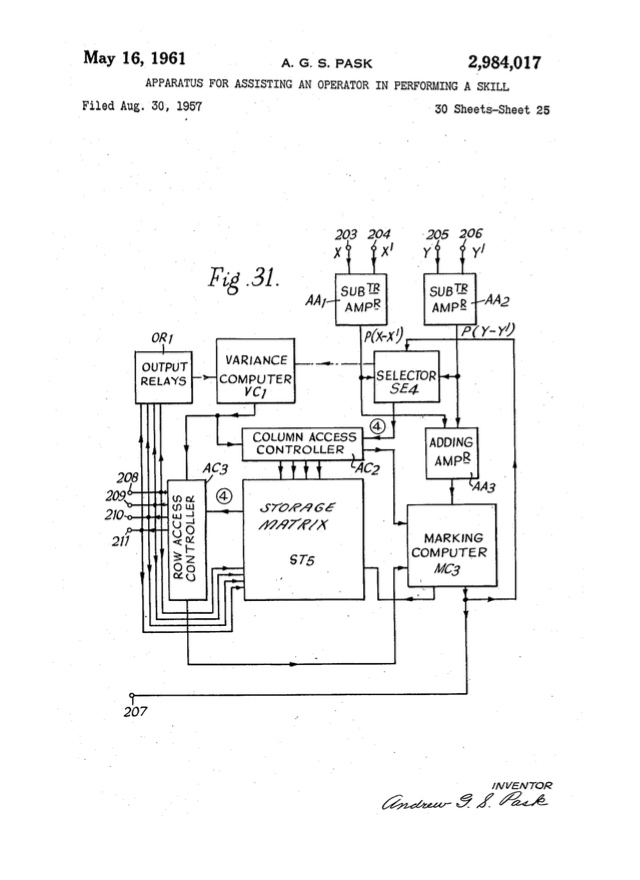
The SAKI was designed to train people to use a Hollerith key punch, a manual device used to punch holes in cards used in turn for data processing. There was at the time quite a significant demand for keypunch operators – mostly women – as this was, until the 1970s, a common method for data entry.
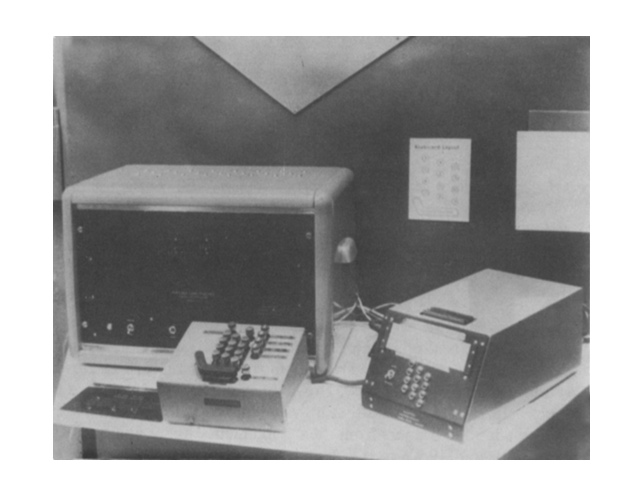
Image credits: Gordon Pask, “SAKI: Twenty-five years of adaptive training into the microprocessor era”
Like many teaching machines (then and now), SAKI purported to function like a human tutor. But unlike earlier teaching machines, the adaptive component of Pask’s devices offers more than just an assessment of right or wrong: they identify and measure a student’s answers – accuracy, response time – and adjust the next question accordingly. That is, the difficulty of the questions are not pre-programmed or pre-ordained.
Continues in source…
 Systems Community of Inquiry