
Source: How interchangeable parts revolutionised the way things are made – BBC News
How interchangeable parts revolutionised the way things are made
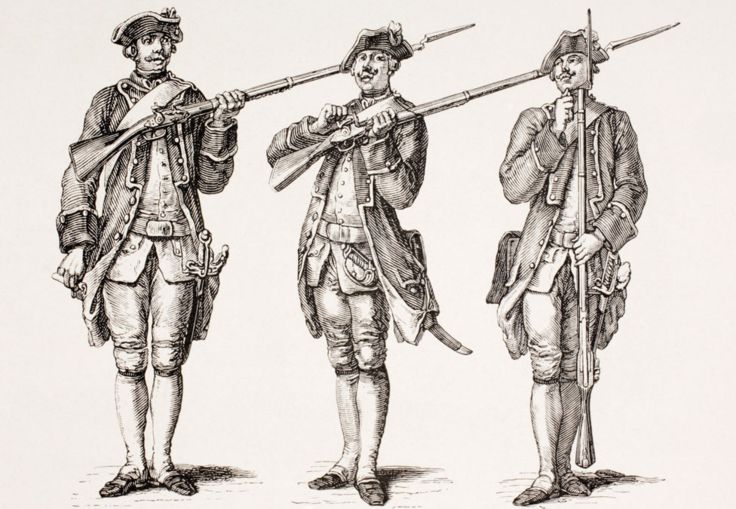 Image copyrightGETTY IMAGES
One sweltering afternoon in July 1785, officials, dignitaries and a few infuriated gunsmiths gathered at the Château de Vincennes, a splendid castle to the east of Paris.
They were there to see the demonstration of a new type of flintlock musket designed by Honoré Blanc, a gunsmith from Avignon so despised by his fellow makers, that he had been holed away in the dungeons of the château for his own protection.
Down in the cool of the castle cellars, Monsieur Blanc produced 50 locks – the lock being the firing mechanism at the heart of a flintlock weapon.
Briskly he took apart half of them and, with the insouciance for which the French are famous, he tossed their component parts into boxes.
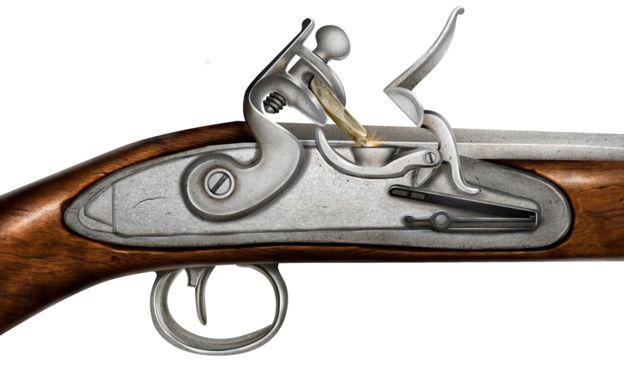 Image copyrightALAMY
Like a master of ceremonies ostentatiously agitating an urn full of numbered lottery balls, Monsieur Blanc shook these boxes to mix their components together. Then he calmly pulled out the parts at random and began to reassemble them into flintlocks.
What was he thinking?
Everyone present knew that each hand-crafted gun was unique. You couldn’t just jam a part from one gun into another and expect either to work. But they did. Blanc had taken enormous pains to ensure that all the parts were precisely the same.
It was a spectacular demonstration of the power of interchangeable parts.
Continues in source: How interchangeable parts revolutionised the way things are made – BBC News
 Systems Community of Inquiry