
Source: Complex Systems in Transition – Stellenbosch Centre for Complex Systems in Transition


Source: Complexity Explorer
In addition to physical objects, fractals are used to describe distributions resulting from processes that unfold in space and/or time. Earthquake severity, the frequency of words in texts, the sizes of cities, and the number of links to websites are all examples of quantities described by fractal distributions of this sort, known as power laws. Phenomena described by such distributions are said to scale or exhibit scaling, because there is a statistical relationship that is constant across scales.
We will look at power laws in some detail and will give an overview of modern statistical techniques for calculating power law exponents. We will also look more generally at fat-tailed distributions, a class of distributions of which power laws are a subset. Next we will turn our attention to learning about some of the many processes that can generate fractals. Finally, we will critically examine some recent applications of fractals and scaling in natural and social systems, including metabolic scaling and urban scaling. These are, arguably, among the most successful and surprising areas of application of fractals and scaling. They are also areas of current scientific activity and debate.
This course is intended for anyone who is interested in an overview of how ideas from fractals and scaling are used to study complex systems. The course will make use of basic algebra, but potentially difficult topics will be reviewed, and help is available in the course discussion form. There will be optional units for more mathematically advanced students and pointers to additional resources for those who want to dig deeper.
Course Outline
1. Introduction to fractals. Self-similarity dimension. Review of logarithms and exponents.
2. Box-counting dimension. Further examples of fractals. Stochastic fractals.
3. Power laws and their relation to fractals. Rank-frequency plots. How to estimate power law exponents.
4. Empirical examples of power laws. Other long-tailed distributions: log normals and stretched exponentials. Implications of long tails.
5. Mechanisms for generating power laws. Rich-get-richer phenomena. Phase transitions. Other mechanisms.
6. Metabolic scaling. West-Brown-Enquist scaling theory.
7. Urban scaling.
About the Instructor(s): David Feldman is Professor of Physics and Mathematics at College of the Atlantic. From 2004-2009 he was a faculty member in the Santa Fe Institute’s Complex Systems Summer School in Beijing, China. He served as the school’s co-director from 2006-2009. Dave is the author of Chaos and Fractals: An Elementary Introduction (Oxford University Press, 2012), a textbook on chaos and fractals for students with a background in high school algebra. He has thrice offered a MOOC on Chaos and Dynamical systems on the Complexity Explorer site, in addition to this MOOC. Dave was a U.S. Fulbright Lecturer in Rwanda in 2011-12.
 Casey Acklin is a graduate of College of the Atlantic, where he studied neuroscience and anthropology from 2011-2015 and frequently worked with Dave Feldman as both a student and a teaching assistant. After graduation he worked at The Jackson Laboratory studying Alzheimer’s disease, and now plans to serve for one year as an AmeriCorps VISTA member working with the Dementia Engagement, Education, and Research program at the University of Nevada, Reno. Casey likes to say: “A day without math is like a day without sunshine!”
Complexity and Management Conference – 17th– 19th May 2019, Roffey Park Institute.
One of the difficulties of thinking, as Hannah Arendt pointed out, is that it tends to unravel things. Next year’s conference will address a theme which has come up again and again in previous conferences, the degree to which questioning, particularly of our own assumptions and value positions, can unsettle. It’s not always easy to question what’s going on, particularly in organisations which encourage us to align and be positive, but what are the ethical consequences of not doing so?
In a recent piece of research carried out for LFHE/Advance HE, we discovered that senior managers in Higher Education establishments may feel conflicted about some of the change projects they are responsible for. Keen to do a good job on the one hand, on the other they may also entertain doubts about the long-term effects…
View original post 312 more words
via @meaningness
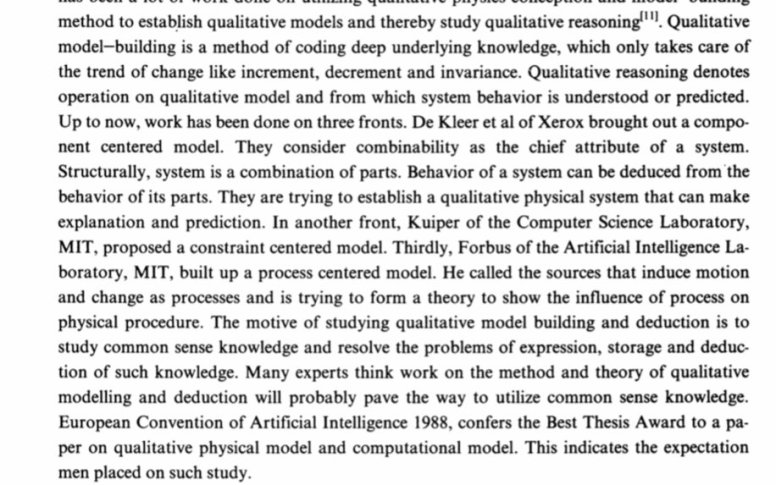
The idea of the OCGS is a particular type of system which is problematic for science: too many variables, no fixed boundaries with the outside, the systems themselves are in flux. This is much like what design thinking refers to as a “wicked problem.”
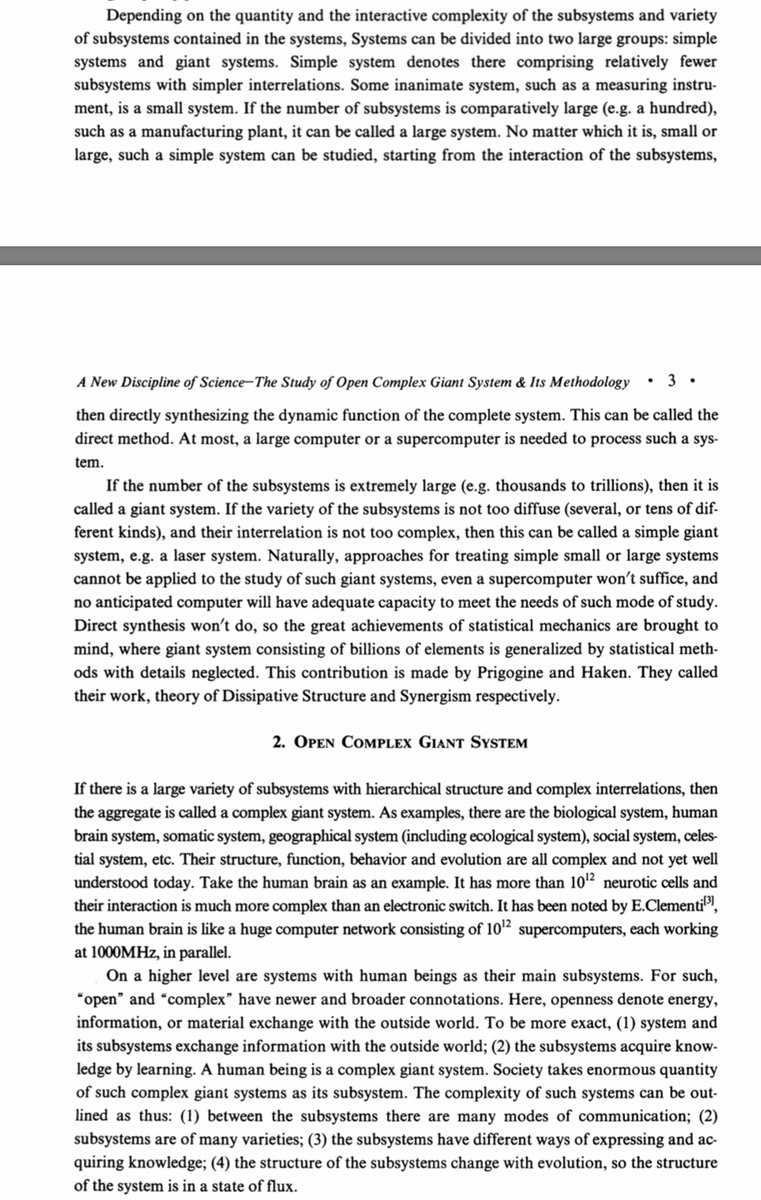
 Chris Beiser @ctbeiser
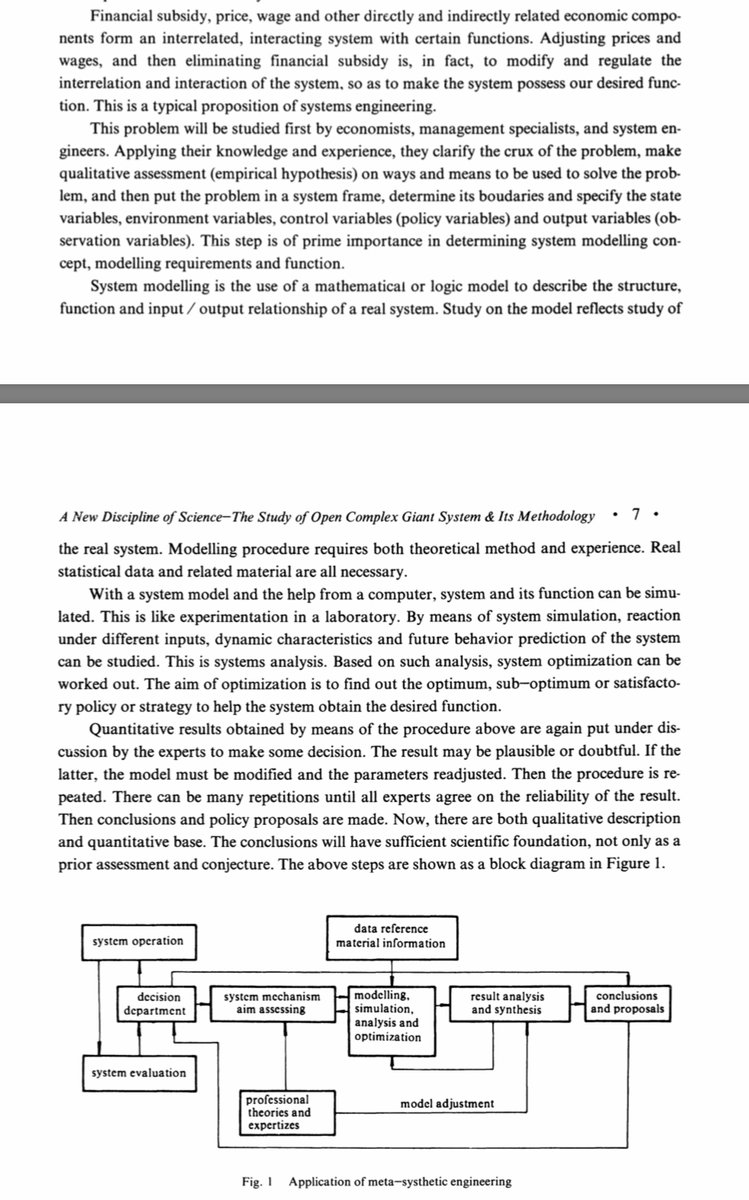

Interestingly, this claim rests largely on the esteem of AI researchers working on expert systems, immediately before the AI winter. Around the time this paper was published, everything in that space was imploding. Perhaps Xi Jinping should have read @Meaningness.
 Chris Beiser @ctbeiser
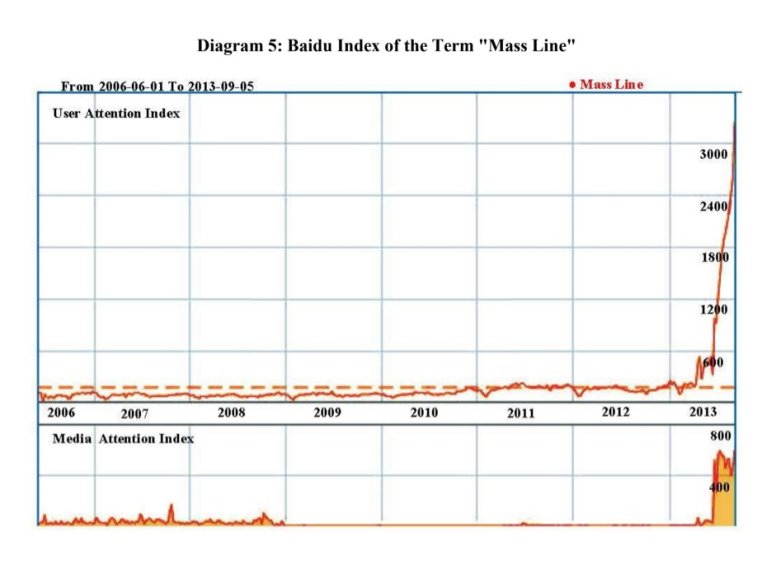
The mass line was a mao-era process by which revolution was carried out. In short: 1. Listen to the people’s unsystematic complaints. Directly. 2. Systematize them 3. Sell those back to the people 4. Use the people’s energy as a way to enact that state and reap political capital.
Xi Jinping has been reviving the theory—with the distinction that the fourth step is gone. Instead, the policy is pitched as an iterative process by which government realizes the people’s desires. ie—cybernetic governance.
 Chris Beiser @ctbeiser
 Chris Beiser @ctbeiser
PS: worth reading up on Qian’s life:  Co-founded JPL
  Becomes a prof at Caltech
  Is deported to China on false suspicion of being communist
  Builds the Chinese nuclear and space programs
  Invigorates a generation of CCP thought with the OCGS
Chris Beiser @ctbeiser
iinteresting, the bear case on democracy has always been about the improvement in other systems of feedback loops making it no longer the efficient frontier on legibility and synchronicity
 Kevin Kwok @kevinakwok
The paper in OP is on sci-hub; the Qian Xuesen one I link here:
Please clone Xi and have him reform US medicine using systems theory. Also clone him and have him teach me how to get promoted using systems theory. Thanks.

This video is a very poor quality recording of Ralph Stacey giving his last exposition of complex responsive processes at the Complexity and Management Conference June 2018 before his retirement.
Apologies for both sound and picture quality.
Complexity occurs when relevant interactions prevent the study of elements of a system in isolation. These interactions between elements may lead to the self-organization of the system. In computational intelligence, complexity and self-organization have been studied and exploited with different purposes. This Research Topic aims to bring together novel research into a coherent collection, spanning from theory and methods to simulations and applications.
Computational measures of complexity and self-organization have been proposed and applied to study a broad range of phenomena. Methodologies for facing complexity and harnessing self-organization have been used to design and build a variety of systems. Computer simulations have been tools which enabled us to study complexity and self-organization, from cellular automata and artificial neural networks to multi-agent systems and computational social science. The applications of these approaches have been vast.
Considering that complexity and self-organization are very broad themes, this Research Topic focusses only on the…
View original post 18 more words
via Ivo Velitchkov – can’t find free version (yet)
Risk management and uncertainty in megaprojects is a flourishing topic in project management, while the unexpected is still a neglected matter. The purpose of this paper is to offer conceptual clarifications of the unexpected based on second-order-cybernetics and systems theory. While transferring findings from organisation theory to project management, the article provides fresh insights into managing the unexpected in megaprojects.
Being grounded on constructionism and systems theory, the conceptual paper explores selected research approaches from organisation theory: research on high-reliability organising, organisational resilience and organisational improvising, on contributions to managing the unexpected in megaprojects. Using the framework of meaning i.e. the factual, social and temporal dimensions, challenges of handling the unexpected are analysed and (effects of) decision-making structures for such projects are defined.
This paper argues that classic project management, while neglecting the fundamental distinction between risk, uncertainty and the unexpected, sticks to a planning-and-controlling approach. But the unexpected cannot be planned; however, organisations and managers can prepare for the unexpected. This requests a balance between structure and self-organisation in planning, communication, hierarchy and organisational culture. Understanding the contradictions inherent in managing megaprojects allows for smart decision-making when riding the waves of resilience.
The study adds to the literature on complexity and uncertainty in project management by enhancing the view to include the unexpected. While rejecting the universal applicability of rationality-based risk and controlling conceptions, shifting to second-order cybernetics and integrating elements of resilient organising increases the understanding of handling the unexpected in megaprojects.
This paper is based on research within the project “Der Beitrag der Human-Factors-Forschung zum Management von Unsicherheit in projektorientierten Organisationen” (“The contribution of Human factors research for managing uncertainty in projectoriented organisations”) funded by the City of Vienna/Austria, MA 23. A previous version of this paper was submitted to the Special Topic Track on “Managing Major and Mega Projects: The Importance to Broaden Classical Project Management Approaches” at EURAM 2018.
Copyright:© Emerald Publishing Limited 2019
Published by Emerald Publishing Limited
Licensed re-use rights only
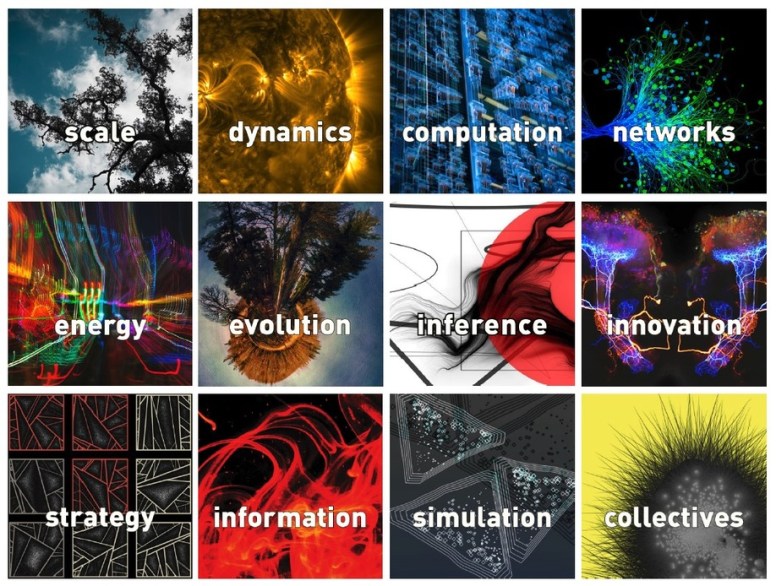
The SFI Complex Systems Summer School (CSSS) offers an intensive 4-week introduction to complex behavior in mathematical, physical, living, and social systems. Lectures are taught by the faculty of the Santa Fe Institute (SFI) and other leading educators and scholars. The school is for graduate students, postdoctoral fellows, and professionals seeking to transcend traditional disciplinary boundaries, take intellectual risks, and ask big questions about complex systems.
The program consists of an intensive series of lectures, labs, and discussions focusing on foundational concepts, tools, and current topics in complexity science. These include nonlinear dynamics, scaling theory, information theory, adaptation and evolution, networks, machine learning, agent-based models, and other topical areas and case studies. Participants collaborate in developing novel research projects throughout the four weeks of the program that culminate in final presentations and papers.
Begins: Jun 09 2019
Ends: Jul 05 2019
Deadline extension: now Thursday, January 31.
Source: www.santafe.edu
Morphogenesis allows millions of cells to self-organize into intricate structures with a wide variety of functional shapes during embryonic development. This process emerges from local interactions of cells under the control of gene circuits that are identical in every cell, robust to intrinsic noise, and adaptable to changing environments. Constructing human technology with these properties presents an important opportunity in swarm robotic applications ranging from construction to exploration. Morphogenesis in nature may use two different approaches: hierarchical, top-down control or spontaneously self-organizing dynamics such as reaction-diffusion Turing patterns. Here, we provide a demonstration of purely self-organizing behaviors to create emergent morphologies in large swarms of real robots. The robots achieve this collective organization without any self-localization and instead rely entirely on local interactions with neighbors. Results show swarms of 300 robots that self-construct organic and adaptable shapes that are robust to damage. This is a step toward the emergence of…
View original post 48 more words
(This reminds me of A Systems Holistic Interpretation of the
Present State of the Contemporary Society
and its Possible Futures
Eric Schwarz
Autogenesis, Université de Neuchâtel, Switzerland – http://afscet.asso.fr/resSystemica/Crete02/Schwarz%20B.pdf and key diagram http://www.afscet.asso.fr/halfsetkafe/textes-2006/schwarz-3.pdf)
Since time immemorial humans have complained that life is becoming more complex, but it is only now that we have a hope to analyze formally and verify this lament. This article analyzes the human social environment using the “complexity profile,” a mathematical tool for characterizing the collective behavior of a system. The analysis is used to justify the qualitative observation that complexity of existence has increased and is increasing. The increase in complexity is directly related to sweeping changes in the structure and dynamics of human civilizationthe increasing interdependence of the global economic and social system and the instabilities of dictatorships, communism and corporate hierarchies. Our complex social environment is consistent with identifying global human civilization as an organism capable of complex behavior that protects its components (us) and which should be capable of responding effectively to complex environmental demands.
How often have we been told by various philosophers and universalistic religions about unseen connections between human beings and the collective identity of humanity? Today, global connections are manifest in the economy, in transportation and communication systems, and in responses to political, social and environmental crises. Sometime during this century a transition to global conflict, and thence to global cooperation, took place. Along the way the conditions of life changed, driven by technological, medical, communication, education and governmental changes, which themselves involved global cooperation and collective actions.
What is generally not recognized is that the relationship between collective global behavior and the internal structure of human civilization can be characterized through mathematical concepts that apply to all complex systems. An analysis based upon these mathematical concepts suggests that human civilization itself is an organism capable of behaviors that are of greater complexity than those of an individual human being. In order to understand the significance of this statement, one must recognize that collective behaviors are typically simpler than the behavior of components. Only when the components are connected in networks of specialized function can complex collective behaviors arise. The history of civilization can be characterized through the progressive (though non-monotonic) appearance of collective behaviors of larger groups of human beings of greater complexity. However, the transition to a collective behavior of complexity greater than an individual human being has become apparent from events occuring during the most recent decades.
Human civilization continues to face internal and environmental challenges. In this context it is important to recognize that the complexity of a system’s behavior is fundamentally related to the complexity of challenges that it can effectively overcome. Historic changes in the structure of human organizations are self-consistently related to an increasing complexity of their social and economic contexts. Further, the collective complexity of human civilization is directly relevant to its ability to effectively respond to large scale environmental challenges.
We, each of us, are parts of a greater whole. This relationship is shaping and will continue to shape much of our existence. It has implications for our lives as individuals and those of our children. For individuals this complexity is reflected in the diversity of professional and social environments. On a global scale, human civilization is a single organism capable of remarkable complex collective actions in response to environmental challenges.
Building a model of society based upon physical forces between atoms, or cellular physical and chemical interactions, would be quite difficult. Even constructing a model based upon social interactions is too difficult. To consider the collective behavior of human civilization, one must develop concepts that describe the relationship of individual to collective behavior in a more general way. The goal of this article is to extend the systematic understanding of collective or cooperative behavior so as to characterize such behavior in physical, biological and social systems.
All macroscopic systems, whether their behavior is simple or complex, are formed out of a large number of parts. The following examples suggest insights into how and in what way simple or complex behaviors arise.
Inanimate objects generally do not have complex behaviors. Notable exceptions include water flowing in a stream or boiling in a pot, and the atmospheric dynamics of weather. However, if water or air are not subject to external force or heat variations, their behavior is simple. Nevertheless, by looking very closely, it is possible to see the rapid and random thermal motion of atoms. Describing the motion of all of the atoms in a cubic centimeter of water would require a volume of writing which is more than ten billion times the number of books in the Library of Congress. Though this would be a remarkably large amount of information, it is all irrelevant to the macroscopic behavior of a cup of water.
Thermodynamics and statistical mechanics explained this paradox at the end of the 19th century. The generally independent and random motion of atoms means that small regions of equal size contain essentially the same number of atoms. At any time the number of atoms leaving a region and the number of atoms entering it are also essentially the same. Thus, the water is uniform and unchanging.
While biological organisms generally behave in a more complex way than inanimate objects, independent and randomly moving biological microorganisms also have simple collective behavior. Consider the behavior of microorganisms that cause diseases. What is the difference between the microorganisms and the cells that form a human being? From a macroscopic perspective, the primary difference is that a large collection of microorganisms do not result in complex collective behavior. Each of the microorganisms follows an essentially independent course. The independence of their microscopic actions results in an average behavior on a large scale which is simple. This is true even though, like the human being, all of the microorganisms may originate from a single cell.
There is a way in which the microorganisms do act in a coherent waythey damage or consume the cells of the body they are in. This coherent action is what enables them to have an impact on a large scale. It is only because many of them perform this action together that makes them relevant to human health.
The notion of coherence also applies to physical systems. Atoms at room temperature in a gas, liquid or solid, move randomly at speeds of 1000 km/hr but have less large scale impact than an object thrown at much slower speed of 50 km/hr. It is the collective coherent motion of all of the atoms in the object that enables them to have impact on a large scale.
Thus, there are two paradigms for simple collective behavior. When the parts of a system have behaviors that are independent of each other, the collective behavior of the system is simple. Close observation reveals complex behavior of the parts, but this behavior is irrelevant to the collective behavior. On the other hand if all parts act in exactly the same way, then their collective behavior is simple even though it is visible on a very large scale.
These examples of behavior can also be seen in the historical progression of human civilization. Primitive tribal or agrarian cultures involved largely independent individuals or small groups. Military systems involved large coherent motions of many individuals performing similar and relatively simple actions. These coherent actions enabled impact at a scale much larger than the size of the military force itself.
By contrast, civilization today involves diverse and specialized individual behaviors that are nevertheless coordinated. This specialization and coordination allow for highly complex collective behaviors capable of influencing the environment on many scales. Thus the collective behavior of human civilization arises from the coordinated behavior of many individuals in various groupings.
It is much easier to think about the problem of understanding collective behavior using the concept of a complexity profile. The complexity profile focuses attention on the scale at which a certain behavior of a system is visible to an observer, or the extent of the impact it can have on its environment. Both of these are relevant to interactions of a system with its environmentan observer can see the behavior only when the behavior is sufficiently large to affect the observer.
A formal definition of scale considers the spatial extent, time duration, momentum and energy of a behavior. More intuitively, when many parts of a system act together to make a single behavior happen, that behavior is on a large scale, and when few parts of a system act together, that behavior is on a small scale. The energy of different actions of the system is also relevant. When the amount of energy devoted to an action is large, then it is a large scale action. In essence, the units of energy are working together to make a large scale behavior. A more systematic treatment of the scale of particular behaviors leads to the complexity profile.
The complexity profile counts the number of independent behaviors that are visible at a particular scale and includes all of the behaviors that have impact at larger scales. The use of the term “complexity” reflects a quantitative theory of the degree of difficulty of describing a system’s behavior. In its most basic form, this theory simply counts the number of independent behaviors as a measure of the complexity of a system. The complexity profile characterizes the system behavior by describing the complexity as a function of scale.
The central point is: When the independence of the components is reduced, scale of behavior is increased. To make a large collective behavior, the individual parts that make up this behavior must be correlated and not independent. This reduction of independence means that describing the collective behavior includes part or all of the behavior of the parts and therefore our description of the parts is simpler. When the behaviors of parts are coupled in subgroups, their behavior is manifest at the scale corresponding to the size of the group.
Thus, fixing the material composition and the energy of the system, there are various ways the system can be organized. Each way of organizing the system and distributing the energy through the system results in tradeoffs between the complexity of their microscopic description against the complexity of their description at progressively larger scales.
To illustrate the complexity profile, consider a system in which the parts behave independently. The system behavior at a small scale requires specifying what each of the parts is doing. However, when observing on a larger scale, it is not possible to distinguish the individual parts even in a small region of the system, only the aggregate effect of their behavior is observable. Since their behaviors are independent, they cancel each other in their impact on the environment. Thus, the description of the system behavior is simple. The behavior of each individual part disappears upon averaging the behavior of the local group. Examples of this include microorganisms swimming randomly in a pond or people moving around in a crowd that does not move as a whole. When one person goes one way, another person fills his place and together there is no collective movement.
Independent behavior is to be contrasted with coherent motion. In coherent motion all of the parts of the system move in the same direction. This is the largest scale behavior possible for the system. Since the behaviors of the parts of the system are all the same, they are simple to describe on the largest scale. Moreover, once the largest scale behavior is described, the behavior of each of the parts is also known.
Neither of these two examples corresponds to complex collective behavior. Unlike the coherent motion case, complex behavior must include many different behaviors. Unlike the independent action case, many of these behaviors are visible on a large scale. In order for such visibility to occur various subgroups of the system must have coordinated behaviors. The resulting dynamic correlations are distributed at different scales. Some of them are found at a microscopic scale in the coupled motion or positions of molecules, and others appear in the collective motion of, for example, muscle cells and the motion of the body as a whole. Thus, the complexity profile of a complex system like a human being involves a distribution of scales at which behavior manifests itself. This balance between highly random and highly ordered motion is characteristic of the behavior of complex systems.
The discussion of independent, coherent and complex behavior can be applied to physical, biological or social systems. Think about the gas molecules that bounce independently in a room, or the coherent alignment of magnetic regions of a magnet. In the former case, all of the parts of the system act independently and the complexity profile resembles the independent component example. In the latter, the parts of the system are all aligned, and there is a large scale behavior.
In biological systems a collection of microorganisms may act essentially independently, and a disease microorganism by multiplying and acting coherently in attacking the human body can have impact on a much larger scale. Finally, the cells of the body are interdependent and have collective complex behavior.
The application of these concepts to human organizations and social systems will take us further in our understanding of various ways collective and coherent behaviors can arise. In this context, one of the main mechanisms for achieving coordinated behavior is the exercise of control by one individual over the behavior of others. Thus, it is particularly interesting to consider how control affects the collective behavior of human beings.
The discussion of the complexity profile did not address the mechanisms that cause correlations in the behavior of the parts. This section focuses on internal interactions that at any one time give rise to collective behaviors. In human organizations coordination occurs because individuals influence each others’ behavior. The influence is often called control. It is not necessarily coercive control, though coercion may be an aspect of control. The objective of this section is to understand the relationship between control structure and the complexity of collective behavior.
Real human hierarchical organizations are not strict hierarchies, they contain lateral interactions that enable control to bypass the hierarchy. However, by focusing on an idealized control hierarchy it is possible to understand the nature of this structure. Such a focus will help in understanding the nature of dictatorships and hierarchical corporationsthe relationship between these control structures and complex collective behavior. In an idealized hierarchy all communication, and thus coordination of activities, is performed through the hierarchy.
To concretize the discussion, consider two paradigmatic examples: military force and factory production. Conventional military behavior is closer to our discussion of coherent behavior. Similar to coherent motion, in the military the behavior of an individual is simplified to a limited set of patterns. The behavior patternssuch as long marcheshave a high degree of repetition and thus can have impact on a large scale. Then, many individuals perform the large-scale behaviors coherently. While this model continues to apply to some examples of modern military activity, the diversity of actions of a modern military makes this model better suited to understanding ancient armiesRoman legions, or even U. S. Civil War armies.
While the actions of the military are designed to have impact on a large scale, they must still be performed in response to specific external conditions. As the conditions change, the actions must also be changed. There is need for a response mechanism that involves communications that can control the collective behaviors. Such a response generally involves direct action by the control hierarchy.
A conventional industrial production line also simplifies the behavior of an individual. Each individual performs a particular repetitive task. The effect of many individuals performing repetitive tasks results in a large number of copies of a particular product. This repetition increases the scale of impact of an individual’s behavior. However, unlike coherent behavior, the behavior of different individuals is not the same. Instead, the activities of the individual are coordinated to those of othersthe coordination exists so that the larger-scale behavior can arise. The coordination means that the behaviors of different individuals, while not the same, are related to each other. When compared to the coherent motion, this increases the complexity and decreases the scale, but much less so than would be the case for fully independent individuals.
The need to ensure coordination of different individuals when the collective actions being performed have an inherently higher complexity increases the demands upon the control hierarchy. In particular, it is significant that the behaviors of all parts of a production line must be coordinated, even though actions being performed are different.
The similarities and differences between the factory and the military models are relevant to an understanding of the role of hierarchical control. A military force, a corporation, or a country have behaviors on various scales. At larger scales, many of the details of the behavior of individuals are not apparent. Intuitively, a control hierarchy is designed to enable a single individual (the controller) to control the collective behavior, but not directly the behavior of each individual. Indeed, the behavior of an individual need not be known to the controller. What is necessary is a mechanism for ensuring that control over the collective behavior be translated into controls that are exercised over each individual. This is the purpose of the control hierarchy.
A hierarchy, however, imposes a limitation on the degree of complexity of collective behaviors of the system. This can be understood by considering more carefully the processes of coordination. The hierarchy is responsible for ensuring coordination of various parts of the system. Lower levels of the hierarchy are responsible for locally coordinating smaller parts of the system and higher levels of the hierarchy are responsible for coordinating the larger parts of the system. At each level of the hierarchy the actions to be coordinated must be transferred through the controller. Thus, the controller’s behavior must itself reflect all of the impacts that different parts of the system have on other parts of the system. This implies that the collective actions of the system in which the parts of the system affect other parts of the system must be no more complex than the controller. In human hierarchies the collective behavior must be simple enough to be represented by a single human being.
In summary, the complexity of the collective behavior must be smaller than the complexity of the controlling individual. A group of individuals whose collective behavior is controlled by a single individual cannot behave in a more complex way than the individual who is exercising the control. Hierarchical control structures are symptomatic of collective behavior that is no more complex than one individual. Comparing an individual human being with the hierarchy as an entirety, the hierarchy amplifies the scale of the behavior of an individual, but does not increase its complexity.
The existence of lateral influences counters these conclusions with respect to real human organizations. These lateral controls are similar to the conceptual networks that are used to model the interactions between neurons in the brain. Distributed control over collective behaviors can result in larger complexity of the collective behavior than the behavior of any single individual. Networks are also quite distinct from independent individuals. Networks require that coordination of the behavior of groups of individuals are achieved by mutual influences.
The discussion of the complexity of the behavior of a system at different scales does not explain, in itself, why systems should be simple or complex. According to thermodynamics, an isolated system will always increase its entropy. Since the entropy is a measure of disorder, it corresponds to microscopically random behavior and simple collective behavior. Fortunately for us, the world is not an isolated system. The high temperature of the sun causes it to illuminate us with light. The energy of this light is reemited into space at a much lower effective temperature. This energy flow from high to low temperature, combined with physical properties of the earth, enables all of the complex patterns of weather and of biological and social life on earth. While it enables, the energy flow does not explain how complex systems arise. In terms of the individual physical, biological or social systems, the overall energy flow is translated into a selection of entities that “survive” sustaining themselves or similar offspring by obtaining resources that preserve their structure over time. In its most basic form, this concept (usually applied to biological organisms) applies to non-equilibrium physical, biological and social systems whose behavior is preserved by the flow of energy. There is still much to be understood about this process.
The demands that environmental conditions place on the organism’s pattern of behavior create the necessity of complex behavior. In order to survive, the organism behavior must reflect in some way the nature of the environment. Some behavior patterns will result in obtaining the needed resources while others will not. The environment is not a static system, and over time, the organism responds to the environment in a manner that is dictated by the organism’s internal structure. The response of an organism at a particular scale is implicit in its behavior patterns at that scale. The complexity of an organism’s response is given by the complexity of its behaviors. More directly, the number of independent behaviors is related to the number of independent environmental factors/conditions that the organism can effectively respond to.
To quantify the demands that the environment places on an organism, consider the minimum complexity of a system which achieves a target objective (e.g. survival) with some specified probability of success. As the probability of success increases the minimum organism complexity increases. Note that for many types of biological organism, the typical number of organisms remains relatively constant over many generations. However, the number of offspring per parent varies widely from one to millions. This suggests that the probability of successful survival of an organism is a measure of the relative complexity of the environmental demands to the complexity of the organism. Organisms that are less complex than the demands of the environment have a lower probability of survival, even if well adapted.
From this argument it is possible to begin to understand processes of historical change in human organizational structures. Human organizations exist within an environment that places demands upon them. If the complexity of these demands exceeds the complexity of an organization, the organization will be likely to fail. Thus, those organizations that survive must have a complexity sufficiently large to respond to the complexity of environmental demands at the scale of these demands. As a result, a form of evolutionary change occurs due to competition. Competition is relevant because for human organizations, the environment itself is formed in part out of organizations of human beings. According to this argument, one can expect a self-consistent process of complexity increase where competition between organizations causes the behavior of one organization to serve as part of the environment in which others must survive.
In recent years human organizations that emphasized central control have changed or given way to other structures with greater distribution of control. This includes political organizationsthe systematic conversion of dictatorships in Central and South America to more democratic systems, the fragmentation of the soviet bloc and replacement of government controlled economies in communist countries with market based economiesand the restructuring of hierarchical corporations in western economies to involve decision teams and process based managerial strategies. Many of these changes result in systems where collective behaviors arise from partially independent subgroups of the system and lateral “networked” influences. Even when control hierarchies continue to exist, the lateral interactions through group decision making processes have become more prominent. To understand this more fully, consider the history of civilization and the complexity of environmental demands upon each civilization and the individuals that comprise it. The progressive historical increase of complexity means that organizations that do not change do not survive. This is descriptive of the nature of the transition that is under way. The complexity of demands upon collective human systems have recently become larger than an individual human being. Once this is true, hierarchical mechanisms are no longer able to impose the necessary coordination of individual behaviors. Instead, interactions characteristic of networks are necessary.
In a review of history, the development of hierarchies can be seen to enable progressively more complex behaviors. Two factors are important, progressively smaller branching ratios and lateral interactions. Both will be described below. There are also two complementary aspects to this development, complexity at the scale of the individual and complexity at the scale of the collective. In general, these complexities are not directly related. In the context of a control hierarchy, however, the complexity of individual behaviors increases with increasing complexity of collective behavior. The complexity/diversity of individual behaviors does not directly explain the difficulties experienced by hierarchies. The complexity of collective behaviors does explain the difficulties experienced by control hierarchies, since controlling these behaviors is the role of central control.
From earliest recorded history until the fall of the Roman empire, empires replaced various smaller kingdoms that had developed during a process of consolidation of yet smaller associations of human beings. The degree of control exercised in these systems varied, but the progression toward larger more centrally controlled systems is apparent. As per our discussion of the difference between independent individuals and coherent behaviors, this process was driven by military force.
Indeed, during the time of ancient empires, large-scale human systems executed relatively simple behaviors, and individuals performed relatively simple individual tasks that were repeated by many individuals over time to have a large-scale effect. This observation applies to soldier armies, as well as slaves working in agriculture, mines or construction. The scale of ancient empires controlled by large armies, as well as the scale of major projects of construction would be impressive if performed today. The scale of activity was possible, without modern sources of energy and technology, because of the large number of individuals involved. However, the nature of the activity was simple enough that one individual could direct a large number of individuals. Thus, hierarchies had a large branching ratioeach controller was in charge of a large number of individuals.
As time progressed, the behavior of individuals diversified as did the collective tasks they performed. The increasing diversity of individual behaviors implies an increase in the complexity of the entire system viewed at the scale of the individual. Consequently, this required reducing the branching ratio by adding layers of management that served to exercise local control. As viewed by higher levels of management, each layer simplified the behavior to the point where an individual could control it. The hierarchy acts as a mechanism for communication of information to and from management. The role is also a filtering one, where the amount of information is reduced on the way up. Conversely, commands from the top are elaborated (made more complex) on the way down the hierarchy. As the collective behavioral complexity at the scale of an individual increases, the branching ratio of the control structure becomes smaller and smaller so that fewer individuals are directed by a single manager, and the number of layers of management increases. The formation of such branching structures allows an inherently more complex local behavior of the individuals, and a larger complexity of the collective behavior as well.
The most dramatic increases in the complexity of organizational behavior followed the industrial revolution. The use of new energy sources and automation enabled larger scale behavior in and of itself. This, in turn, enabled higher complexity behaviors of human systems because the amplification of the behavior to a larger scale can be accomplished by the use of energy rather than by task repetition.
At the point at which the collective complexity reaches the complexity of an individual, the process of complexity increase encounters the limitations of hierarchical structures. Hierarchical structures are not able to provide a higher complexity and must give way to structures that are dominated by lateral interactions. A hierarchy serves to create correlations in the behavior of individuals that are similar in many ways to the behavior of a network. The hierarchy serves as a kind of scaffolding. At the transition point, it becomes impossible to exercise control, so the management effectively becomes divorced from the functional aspects of the system. Lateral interactions that replace the control function have been present in hierarchical structures, however, they become necessary when the hierarchical control structure fails due to the high complexity of collective behavior. The greater the dependence of a system on the hierarchy, the more dramatic the changes that then take place.
The lateral interactions achieve the correlations in behavior that were previously created by management. As such mechanisms are introduced, layers of management can be removed. Over the course of the transition, the hierarchy exercises control over progressively more limited aspects of the system behavior. Some of the behavior patterns that were established through the control hierarchy may continue to be effective; others cannot be since an increase in system complexity must come about through changes in behavior. Among these changes are the coordination mechanisms themselves, which must be modified. It could be argued that this picture describes much of the dynamics of modern corporations. Upper levels of management have turned to controlling fiscal rather than production aspects of the corporation. In recent years, corporate downsizing has often been primarily at the expense of the middle management, resulting in a reduction of payroll and little change in production. Hierarchical control has been replaced by decision teams introduced by corporate restructuring; and the reengineering of corporations has focused on the development of task related processes that do not depend on hierarchical control.
Using this argument it is straightforward to understand why control structures ranging from communism to corporate hierarchies could not perform the control tasks required of them in recent times. As long as the activities of individuals were uniform and could be simply describedfor example, soldiers marching in a row, or manufacturing workers producing a single product by a set of repetitive and simple activities (pasting eyes on a doll, screwing in bolts)control could be exercised. The individual’s activities can be specified once for a long period of time, and the overall behavior of the collective could be simply described. The collective behavior was simple; it could be summarized using a description of a simple product and the rate of its production. In contrast, central control cannot function when activities of individuals produce many products whose description is complex; when production lines use a large number of steps to manufacture many different products; when the products vary rapidly in time; and the markets change rapidly because they themselves are formed of individuals with different and rapidly changing activities.
It is useful to distinguish networks that coordinate human activity from markets that coordinate resource allocation. Markets are a distinct type of system that also results in an emergent collective behavior based upon the independent actions of many individuals. Markets such as the stock exchanges or commodity markets coordinate the allocation of resources (capital, labor and materials) according to the dynamically changing value of their use in different applications. Markets function through the actions of many agents (individuals, corporations and aggregate funds). Each agent acts according to a limited set of local objectives, while the collective behavior can coordinate the transfer of resources across many uses. Markets are distinct from networks in that they assume that the interactions among all agents in regard to a single resource can be summarized by a single time-dependent variable which is the value of the relevant resource.
To illustrate the problem of central control of a complex economic system consider examples of the problem of resource allocation. An example might be the supply of oil to a country. For an individual to allocate the supply of oil, all of the needs of different users in amounts and times, the capabilities of different suppliers, and the transportation and storage available must be taken into account. Even if one were to suggest that a computer program might perform the allocation, which is recognized as a formally difficult computational problem, the input and output of data would often eliminate this possibility. One of the crucial features of such an allocation problem is that there are both small and large suppliers and small and large users. As the number of independent users and the variation in their requirements increases, the allocation problem becomes impossible to solve. At the same time, a market is effective in performing this allocation with remarkable efficiency.
A more familiar example, which in many ways is more salient, is the problem of food supply to a metropolitan area. The supply of food is not a market, it is a network based upon a market structure. In a metropolitan area there are hundreds to thousands of small and large supermarkets, thousands to tens of thousands of restaurants, each with specific needs that in the optimal case would be specified by immediate requirements (on demand) rather than by typical or average need over time. The suppliers of foods are also many and varied in nature. Consider also the different categories of foodsproduce, canned goods, baked goods, etc. The transportation and storage requirements of each are subject to different constraints. The many types of vehicles and modes of transportation represent another manifold of possibilities. The market-based system achieves the necessary coordination of food supply without apparent hitch and with necessary margins of error. To consider conceptually the dynamic dance of the supply of food to a city that enables daily availability is awe-inspiring. Even though there are large supermarket chains that themselves coordinate a large supply system, the overall supply system is much greater. Realizing that this coordination of effort relies upon the action of many individuals gives meaning to the concept of complex collective behavior. One can also understand why in a centrally controlled system, consistent and adequate food supply would be a problem. In order to have any hope of controlling such a supply problem it would have to be simplified to allow for only a few products in only a few stores. These were well-known characteristics of food supply in communist regimes. They were seen to reflect the general economic ineffectiveness of such forms of government. In this context the connection is quite direct. While considering the allocation problem in the context of food supply may illustrate the problems associated with central control, the same argument can be applied to various resource allocation and other coordination problems in large and small corporations.
In conclusion, the implication of the disappearance or dramatic changes in centrally controlled human organizations is that the behaviors of collections of human beings do not simplify sufficiently to be controlled by individuals. Instead of progressive simplification from an individual to larger and larger collections of individuals, we have the oppositean increasing complexity that is tied to an increasing complexity of the demands of the environment. This makes it impossible for an individual to effectively control collective behaviors. While specific individuals have been faulted for management errors that have led to corporate failures, the analysis performed here suggests that it is inevitable for management to make errors under these circumstances.
Finally, from an academic point of view, for those interested in developing an understanding of the political, social or economic behavior of the human civilization or its various parts, there are several important consequences. The high collective complexity implies that as individuals we are unable to fully understand the collective behavior. This does not mean that insights and partial understandings are impossible. However, the existence of many different scales of behavior in a complex system implies that two traditional approaches to modeling or considering such systems cannot be effective. The first assumes that the collective behavior can be understood solely from large scale interactions; specifically, a description of the interactions between nations. The second assumes that the collective behavior can be understood by decomposing the system into its smallest elements and developing models based upon individual behavior. A complete specification of each of the physical components of a system would describe also the collective system behavior, however, such a complete specification is impossible. Mapping or simulating all individual behaviors is ineffective as an approach to gaining understanding. This reductionist view, dominating much of the scientific thought, does not take into consideration the significance of large scale correlations essential to the complex collective behaviors we would like to understand. Effective models must build descriptions that account both for the many scales of behavior of a system and the interplay between environmental and system properties. In addition, it is the dynamic behavior patterns of the system that must be the focus of the understanding.
The interdependence of human civilization on a global scale is manifest in the many ways that local actions in one part of the world affect global behaviors. From military acts to humanitarian aid global response has taken the place of local interactions. Implicit in this discussion is recognizing that the interdependence affects individuals in various ways and at various scales.
For example, the invasion of Kuwait by Iraq in 1990 had a manifest global response despite originally involving only a tiny proportion of the global population. The effects of the oil embargo and OPEC in the 1970s illustrated the global impact of the supply of oil from the Middle East and is reflected in the continued global concerns in that region. The impact on consumers, corporations and economies of the world of the production of automobiles and consumer electronics in Japan is well appreciated, as is the growing impact of the exports of other Pacific Rim nations. A disruption of the supply of products, even a partial disruption as occurred for example in the wake of the earthquake in Kobe, can have global impact.
The potential impact that a small nation can cause through development of nuclear weapons has recently been manifest in the global response to events in North Korea. The widespread destruction that could result from use of nuclear weapons of the arsenals of the nuclear powers is well recognized. The drug production in specific parts of the world such as in Colombia, has relevance to individuals and the public in many other areas of the world. Various recent occurrences of social disruption and conflict in Somalia, Bosnia and Rwanda illustrate the global response to social disruption in what are considered relatively out of the way places of the world. Since World War II various local conflicts have attained global significance and attention, e.g. Korea, Vietnam, and the Middle East.
Changes of government in diverse countries such as Iran in the 1970s and South Africa in the 1990s occurred in an environment of global influences and consequences. The example of South Africa is of particular interest since the global influence (the boycott) was directed at internal civil rights rather than external interactions. The global aid in response to famines in Africa, and earthquakes and floods in other parts of the world, are further indications of the global response to local events. The impact of fluctuations of the value of currencies during the 1990s in Italy and England, Mexico, and recently the United States have illustrated the power of global currency markets.
These examples illustrate how, at the present time, events on a national scale can have global effects. However, smaller-scale events can also have global effects. One of the manifestations of the global interdependence is the wide geographic distribution of product manufacturing and utilization. Manufacturing a product involves raw materials, capital, design, assembly and marketing. Today each may originate or occur in a different part of the world, or even in several. The loss of a factory in any one of tens of countries may significantly affect the production of a corporation. Since individual corporations can be primary suppliers of particular products, this can in turn affect the lives of individuals throughout the world.
In order to consider the effects of the world on a particular individual one must specialize. Consider, for example, the influx of students from around the world into universities in the greater Boston area and analyze how this affects faculty, students, and the Boston area economy, as well as how the existence of Boston affects them. Even more specifically, ask how a student from one part of the world can affect another student from another part of the world when both meet in Boston. Or, how an individual faculty member affects students that come from many parts of the world, and how students coming from many parts of the world affect a faculty member. Even to ask these questions demonstrates the interdependence at the individual level that now exists throughout the globe. Moreover, this description of interdependence has not yet accounted in detail for the effects of direct information exchange through the telephone, global mass media, international journals and conferences, and recently the Internet.
The interdependence of global human civilization is self-consistently related to the increasing complexity both of our individual social environments and of the behavior of human civilization in entirety.
It is also possible to make a connection to internal structural changes that are taking place in social and economic systems. Complex systems that display complex collective behavior are structured as networks. By contrast, the traditional human social structure, whether in government or in industry, has been based upon control hierarchies. Just as a single neuron is not able to dictate the behavior of a neural system, an emergent complex network of human beings may not be directed by a single human being.
In this context, the traditional conflict between individual and collective good and rights should be revisited. This philosophical and practical conflict manifested itself in the conflict between democracy and communism. It was assumed that communism represented an ideology of the collective while democracy represented an ideology of the individual. The transition to a complex organism implies that this conflict has been resolved, not in favor of one or the other, but rather in favor of a third categoryan interdependent complex collective formed out of diverse individuals. The traditional collective model was a model that relied upon uniformity of the individuals rather than diversity. Similarly, the ideology of the individual did not view the individual in relation to the collective, but rather the individual serving himself or herself. It should be acknowledged that both philosophies were deeper than their caricatures would suggest. The philosophy of democracy included the idea that the individualistic actions would also serve the benefit of the collective, and the philosophy of communism included the idea that the collective would benefit the individual. Nevertheless, the concept of civilization as a complex organism formed out of human beings is qualitatively different than either form of government.
There are two natural conclusions to be drawn from recognizing that human beings are part of a global organism. First, one can recognize that human civilization has a remarkable capacity for responding to external and internal challenges. The existence of such a capacity for response does not mean that human civilization will survive external challenges any more than the complexity of any organism guarantees its survival. However, one can hope that the recent reduction in the incidence of military conflicts will continue and the ability to prevent or address local disasters will increase. The difficulties in overcoming other systematic ills of society, such as poverty, may also be challenged successfully as the origins of these problems become better understood.
Second, the complexity of our individual lives must be understood in the context of a system that must enable its components (us) to contribute effectively to the collective system. Thus, we are being, and will continue to be shielded from the true complexity of society. In part this is achieved by progressive specialization that enables individuals to encounter only a very limited subset of the possible professional and social environments. This specialization will have dramatic consequences for our children, and their educational and social environments are likely to become increasingly specialized as well.
What additional conclusions can be made from the recognition of human civilization as a complex organism? Given the complexity of its behavior, it is necessary to conclude self-consistently that as individuals we are unable to understand it, even though we comprise it as a collective. Therefore, one would be unwise to argue, on the basis of general considerations, matters of social policy. Social policy questions must be dealt with by the systemby the people involvedas direct challenges to the system.
However, this analysis suggests that it is possible to understand the functional structure and dependencies that exist in global civilization and organizations that comprise it. These dependencies are related to the scale of behaviors that can be triggered in response to internal and external challenges. When analyzing the nature of challenges, a similar analysis can be performed to recognize the scale, or scales, of behavior that are necessary to respond to them effectively. Recognizing the scale of necessary response should be an important contribution to our ability to address both internal and external challenges.
This is a brief introduction to concepts and tools of complex systems that can be applied to a wide range of systems. The central notion was the development of an understanding of the complexity profile which quantifies the relationship between independence, interdependence and the scale of collective behavior. By developing such tools we may discover much about ourselves, individually and collectively. The merging of disciplines in the field of complex systems runs counter to the increasing specialization in science and engineering. It provides many opportunities for synergies and the recognition of general principles that can form a basis for education and understanding in all fields.

Random, coherent and correlated behaviors illustrate the relationship between the behavior of parts and the collective behavior of a system. In both random and coherent behavior the collective behavior of the system is simple. Correlated behavior gives rise to complex collective behavior. Examples illustrating these types of behavior can be found in physical, biological and social systems.

The complexity profile is a mathematical tool that is designed to capture important aspects of the relationship between the behavior of parts of a system and the behavior of the entire system. Behaviors of the system are assigned a scale which is related to the ability of an observer to see that behavior. Typically, larger scale behaviors involve coordination between more parts and/or larger amounts of energy. The complexity profile counts the number of behaviors that are observable at a particular scale, which includes all behaviors assigned to that scale or larger scales. When a system is formed out of independent parts, the behaviors are on a small scale. When a system is formed out of parts that all move in the same direction, the behavior is on the largest scale. When a system is formed out of parts whose behaviors are partially correlated and partially independent then as we look at the system on finer and finer scales we see more and more details. This is characteristic of complex systems formed out of specialized and correlated parts. Such systems have a complexity profile that declines gradually with scale.

The complexity profile of a human being is a smoothly falling curve because there are various scales at which details of the internal behavior of parts of a human being become visible. For example, at the atomic scale the motion of individual atoms is visible, but most of these motions are not visible at the cellular scale. When considering the collective behavior of groups of human beings, it is convenient to consider as a reference the value of the complexity profile at the scale of a human being, C Individual . This describes the complexity of influence one human being can have on another.

Hierarchical organizations are designed to impose correlations in human behavior primarily through the influence of the hierarchical control structure. In an ideal hierarchy all influences/communications between two “workers” must travel through a common manager. As the complexity of collective behavior increases, the number of independent influences increases, and a manager becomes unable to process/communicate all of them. Increasing the number of managers and decreasing the branching ratio (the number of individuals supervised by one manager) helps. However, this strategy is defeated when the complexity of collective behavior increases beyond the complexity of an individual. Networks allowing more direct lateral interactions do not suffer from this limitation.

The behavior of a system and the environmental demands upon it are related. This relationship is established through the selection of systems that continue to survive in the environment. In particular, the complexity of the environmental demands must be less than the complexity of the system behavior for organisms that are likely to survive. The environment of human organizations is partially composed of other human organizations. Through competition an increase in the complexity of one organization leads to an increase in the complexity of the environment of other organizations. This suggests that over time the complexity of organizations increase until the collective behavior becomes more complex than the behavior of an individual human being.

The history of human civilization reflects a progressive increase in the complexity of large scale behaviors. Early civilizations introduced a few relatively simple large scale behaviors by use of many individuals (slaves or soldiers) performing the same repetitive task. Progressive specialization with coordination increased the complexity of large scale behaviors. The industrial revolution accelerated this process which continues till today. When the complexity of collective behaviors increases beyond that of an individual human being then hierarchical controls become ineffective. Hierarchically controled systems must yield to networked systems. Note that a system which has fixed energy and material can change its complexity profile only by transfering activities from one scale to another. Increasing complexity at one scale must be compensated by decreasing complexity at another scale. However, an increasing human population, and the addition of sources of energy during the industrial revolution (coal, oil and gas), violated these conditions, enabling the complexity to increase on all scales. As indicated on the horizontal axis, the scale of human civilization also increased.

A schematic history of human civilization reflects a growing complexity of the collective behavior of human organizations. The internal structure of organizations changed from the large branching ratio hierarchies of ancient civilizations, through decreasing branching ratios of massive hierarchical bureaucracies, to hybrid systems where lateral connections appear to be more important than the hierarchy. As the importance of lateral interactions increases, the boundaries between subsystems become porous. The increasing collective complexity also is manifest in the increasing specialization and diversity of professions. Among the possible future organizational structures are fully networked systems where hierarchical structures are unimportant.
Source: Catching a ball with a homeostat – GentlySerious – Medium
What’s the difference between going deep and drilling down? We look at some modelling approaches that reveal structures built on structures built on structures. These approaches also show how highly dynamic outcomes are built on keeping things stable.
Let’s do the metaphor first. If you are on a boat at night and you see a light then you may want to note the following: if you are moving and the light stays on the same bearing to you, then you are on a collision course and may want to take evasive action. Always remembering the battleship captain who radioed to say he was a battleship and whatever the light was on should keep clear, only to be radioed back by the lighthouse-keeper to suggest another course of action…
The off-putting label is perceptual control theory, or PCT. The standard PCT case relates directly to this metaphor. Suppose a fielder in a cricket match runs to catch a high ball. How on earth does he know where to run, with no time to work it out? Well, it seems that all the fielder has to do is to keep the ball at the same angle to his field of vision and he will be on a collision course with the ball as desired. An athlete moving at speed under pressure succeeds is his highly dynamic quest by keeping something stable. Remembering the warship, of course you may not be the only person trying to catch the ball: I smashed my nose playing rugby that way, loads of blood.
The early work of Warren McCulloch was built on by William Powers, who demonstrated that a control loop like the one used by the fielder is the basis of neurological control of many types, but that such loops are built of many subsidiary loops which in turn are built up in the same way, recursively. Think for a moment about the temperature of our bodies; it is critical that it is held stable by mechanisms such as sweating and such as the closing down of capillary blood vessels near the skin. It is also obvious that other body systems, especially the brain, are crucially dependent on that temperature maintenance. Many supports, many dependencies, not all of them obviously homeostatic maintenance of variables.
In living systems the reference variable for each feedback control loop in a control hierarchy is generated within the system, usually as a function of error output from a higher-level system or systems. — Wikipedia on William Powers.
The nature of such control loops is to cancel out any divergence from a set range of some parameter. There is a demonstration that you can easily do with a friend. Knot two elastic bands together. Put a reference dot in the middle of a sheet of paper. Put your market pen in one elastic band and give your friend a pen in the other band, with the knot over the reference mark on the paper. The instruction to your friend is to keep the knot over the mark. As you trace out a pattern with your pen, your friend must stretch his pen and band in an opposite motion to yours. He will draw mirror image pattern to yours. You can do this as a demo in a lecture — the instructions are not shared publicly and the participants have to guess what they were…
The predictions of these models used to simulate neural control are very accurate. And the models can be many layers deep. The implication of a deep model is this: when a basal control loop goes out of bounds or is modified, then many other things will change. A single control loop may be a part of many circuits.
There is a psychotherapy version of this structure where some of our beliefs can be modified fairly independently of others, but some are deeply enmeshed and may imply serious and difficult changes in many areas of life and belief. For some people it is a comfort to know that the deep change and subsequent reconstruction can be mapped out.
This understanding of depth and the foundational nature of some things but not others does not come easy in the world of business and organisations. It is not the same thing as prioritisation or importance: cash flow or profit for instance are important but are a superficial outcome of many other things that are much less visible or malleable. And this is the opposite of drilling down which only finds ever more detail about a narrower field of interest.
Conventionally on a risk register, a risk is noted as having a potential impact on a project. In the risk management system that I built and worked with, risks were risks to the achievement of business objectives and a given risk might affect many objectives. And an objective might be contributed to by many projects. In the language of Larry Hirschhorn in The Workplace Within, any organisation has a primary task even if it is not articulated. And clearly some risks are going to be primary in the sense that they jeopardise the primary task itself.
If we use our ship metaphor again, an organisation sees a light, sees the light, recognises something. Is it on a collision course with some unrecognised risk? Quite possibly, and the way to find out is not to plough on regardless, but to do some experimental changes of course. What shifts? When Russian fighter planes fly into western airspace and Russian submarines penetrate the Swedish archipelago they are not playing. They are seeing who responds in what way. They are looking for where they have excited some sensitivities they might have been unaware of. And they are asking for and checking the significance of what they excite.
You find deep and primary elements of your structure by probing. The behaviour of most organisations is to let sleeping dogs lie. Philip and I rehearsed some of the rich language of avoidance: papering over the cracks, putting a brave face on it, skating on thin ice, building on sand. Without a sense of depth and without a strong grip on the primary task (displaced usually by personal survival and immediate concerns) we regularly miss that we are on a collision course. Really, really the most critical things are not even noticed, especially if they are deep in the sense used here.
Among the grand old practical engineers of huge systems, the hands-on guys who knew intuitively about stability, there was a saying about the necessary leap of faith. No matter how much analysis and modelling and testing had been done, there is always a leap of faith that something will work in practice and it cannot be avoided. There is no certainty and can be no certainty. This might be Godel or Heisenberg or whoever, but as a practical question these guys like Bill Livingstone knew it in their waters.
This leap of faith also demands a discrimination between deep and superficial. Work that is ultimately superficial may make everyone feel better, that the situation is under control, but if it obscures the nature of the leap of faith it is unhelpful, counter-productive, potentially confusing and dangerous. Who is shouldering that leap of faith and who is going to learn from how it goes? Can we take leaps early and pin down some aspects of system behaviour? Is it possible to deal with deep and foundational things before they are built on?
This example is getting over-used here but it is a perfect fit. Ancel Keys bet the farm on changing the American diet to reduce rates of heart disease. He was wrong and he caused a global epidemic of illness. He had no safety net to re-evaluate the unfolding outcomes and none of the actual clinical trials supported his guesses. He didn’t know that he was looking at something as deep and foundational as he was.
It turns out that people, all of us, have two metabolic mechanisms: one burning glucose and the other ketones. It is too much glucose and the accompanying too much insulin that brings on our western chronic diseases. But by changing almost everyone’s diet, Ancel Keys accidentally ensured that everyone was stuck on glucose metabolism, because he demonised fat as a body fuel. So all the medical research in the last forty years has used a norm of human biochemistry that is itself a problem. And all the results from forty years of research are of dubious value and no-one can admit it. I have tried with the key proponents of “evidence -based medicine” to get them to take a sceptical view of their statistics.
Our claim in this blog is that this is the normal way of human knowledge. There are deep issues which potentially invalidate everything we know, and we don’t look for them! David Bohm in Thought as a System explains that because thought is a system a single flaw can invalidate the whole structure: weakest link and all that. He has a method called Bohmian Dialogue where a group of people build trust in each other over weeks and months of meeting regularly, gradually questioning each other deeper and deeper about the hidden assumptions in what they are each saying. That is what it takes and that is what no one is prepared to do. Why put vast amounts of effort into undermining your beliefs?
Philip is an enterprise architect, a least sometimes. Enterprise Architecture (EA) as a discipline has an intuitive cachet: it would be nice to understand the structure of an enterprise/organisation in some way that made sense of why certain things are connected and certain things are not. Buildings have some logic (not always good or helpful) and maybe organisations can be designed a bit and mapped a bit too. You can gain extensive and serious qualifications in this field and you can wallow in oceans of detail that does indeed need ordering, but nothing in all that says you will find the deep things or a good angle on the primary task.
There seems to be a tension between clarity and power. Almost all organisations qua organisations are more interested in being busy than in finding out what the job is. There has to be a reason why we almost always risk endless error, damage and rework rather than look for the nature of the leap of faith. Lets just get on with it.
I was an observer in the early days of building Heathrow Terminal 5, then the biggest construction project in Europe. The contracts for the main contractors were organised this way. Each appointed contractor put in a cost estimate for doing their part. BAA, the client, deemed that the total of these estimates was 150% of what they were going to spend and the contractors need to work with each other to find the cost savings required.
The contractors loathed with a great loathing being exposed in this way. They wanted to get on doing what they knew how to do and not to have their estimates exposed to scrutiny. They started inventing things to do saying “we have never done this piece of engineering before and therefore we need to do that piece of work in order to get the estimate more accurate. Anti-depth: do the things you know how to do so as to avoid the leaps of faith and the perceived risk of failure. Even if the client is telling you the only thing they want at this point is for you to take the risks. You can lead a horse to water but you can’t make it drink.
Almost as a postscript, my colleague Martin Thomas said ten years ahead of the go-live date that baggage handling was on the critical path, i.e. was deep and foundational. No-one could see how a process like baggage handling could be more critical than building the beautiful physical structures. If you remember back to when the terminal first opened, there was baggage handling chaos. Of course Martin was far from popular!
source (pdf) https://uberty.org/wp-content/uploads/2015/10/02-pickering.pdf
The Science of the Unknowable:
Stafford Beer’s Cybernetic Informatics
Andrew Pickering
Abstract
This essay explores the history of Stafford Beer’s work in management cybernetics, from his early conception and simulation
of an adaptive automatic factory and associated experimentation in biological computing up to his development of the
Viable System Model of complex organizations and its implementation in Chile. The essay also briefly pursues Beer into the
arenas of politics and spirituality. The aim throughout is to show
that all Beer’s projects can be understood as specific instantiations
and workings out of a cybernetic ontology of unknowability and
becoming: a stance that recognizes that the world can always
surprise us and that we can never dominate it through knowledge. The thrust of Beer’s work was thus to construct information systems that can adapt performatively to environments they
cannot fully control.
Source: Filtered for water in history (22 Jan., 2018, at Interconnected)
Stafford Beer was the cyberneticist and business management pioneer who, in the early 1970s, built Project Cybersyn for the revolutionary government of Chile. Command economy meets socialist proto-internet.
In the early 1960s, he was running a more esoteric experiment, in pursuit of his desire to build an automated factory.
From historian Andrew Pickering’s essay, The Science of the Unknowable: Stafford Beer’s Cybernetic Informatics:
The T- and V-machines are what we would now call neural nets: the T-machine collects data on the state of the factory and its environment and translates them into meaningful form; the V-machine reverses the operation, issuing com- mands for action in the spaces of buying, production, and selling. Between the T- and V-machines lies the U-machine — the homeostat, or artificial brain — which seeks to find and maintain a balance between the inner and outer conditions of the firm
The U-machine.
By the way,
The cybernetic factory was not pure theory. By 1960 Beer had at least simulated a cybernetic factory at Templeborough Rolling Mills, a subsidiary of his employer, United Steel
It is a core tenet of (early) cybernetics that sufficiently complex learning systems are somewhat equivalent, whether they are made of flesh and blood, or vacuum tubes. It is this tenet which allowed the audicity of the cyberneticists to consider building “intelligent” machines, or to model the brain as a network of moving information.
And sure enough, when I went to the library to consult Beer’s collected papers, How Many Grapes Went into the Wine: Stafford Beer on the Art and Science of Holistic Management, Beer discusses the search for his ideal U-machine:
a self-organizing system need not have its circuitry designed in detail — otherwise what virtue is there in the self-organizing capability? Furthermore, if systems of this kind are to be used for amplifying intelligence, a fixed circuitry is a liability. Instead we seek a fabric that is inherently self-organizing, on which to superimpose (as a signal on a carrier wave) the particular cybernetic functions that we seek to model
And he continues:
Dr Gilbert, who had been trying to improve the Euglena cultures, suggested a potent thought. Why not use an entire ecological system, such as a pond?
So Stafford Beer captures a woodland pond, and attempts to train it to run a factory:
Accordingly, over the past year, I have been conducting experiments with a large tank or pond. The contents of the tank were randomly sampled from ponds in Derbyshire and Surrey. Currently there are a few of the usual creatures visible to the naked eye (Hydra, Cyclops, Daphnia, and a leech); microscopically there is the expected multitude of micro-organisms. In this tank are suspended four lights, the intensities of which can be varied to fine limits. At other points are suspended photocells with amplifying circuits which give them high sensitivity.
The intention was to communicate information about the factory into the pond via optical couplings. Earlier attempts, reported by Pickering, included attempts to induce small organisms — Daphnia collected from a local pond –to ingest iron filings so that input and output couplings to them could be achieved via magnetic fields.
The state of this research at the moment is that I tinker with this tank from time to time in the middle of the night.
I have this picture of Beer, in his slippers in his basement, trying to figure out not only how to speak to this tank of water and algae in its own language, but attempting to put it through business school.
What would be the management style of such a factory foreman? Risk averse? A deep sympathy with the principles of sustainability and the circular economy? (Given it sits in a closed-system tank.)
Our modern efforts into machine learning and artificial intelligence have a familiar feel: we place the neural network at the heart of the system… and just turn it on. And although we can’t tell how the neural network recognises a face or optimises a system, we can tell that they have some natural politics: AIs are unable – or unwilling – to correct for their implicit racism and sexism.
What is the umwelt of a pond? What is the umwelt of an AI?
Uber’s marketplace and Facebook’s newsfeed are run by captured artificial intelligences — unreasonably efficient optimisers, blind to human feelings, natural free market libertarians; a warp core of tremendous ability and held only just in check. We don’t know how these things make their decisions, but we are beginning to see the biases in their actions.
Obviously Stafford Beer’s experiments came to nothing: the factories of China are not run by captured, semi-sentient woodland ponds.
Or. Who knows. Maybe we should put one in charge of Facebook.


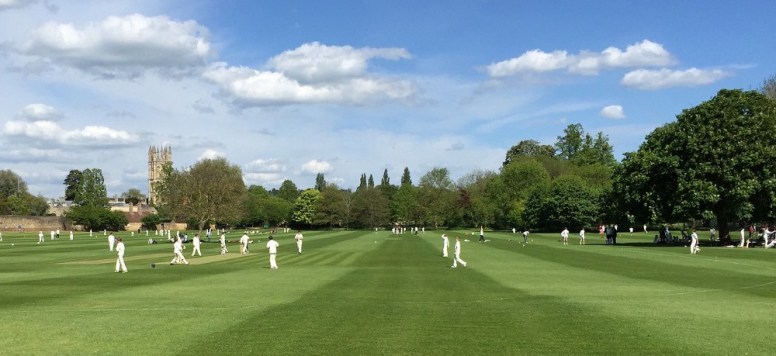


You must be logged in to post a comment.